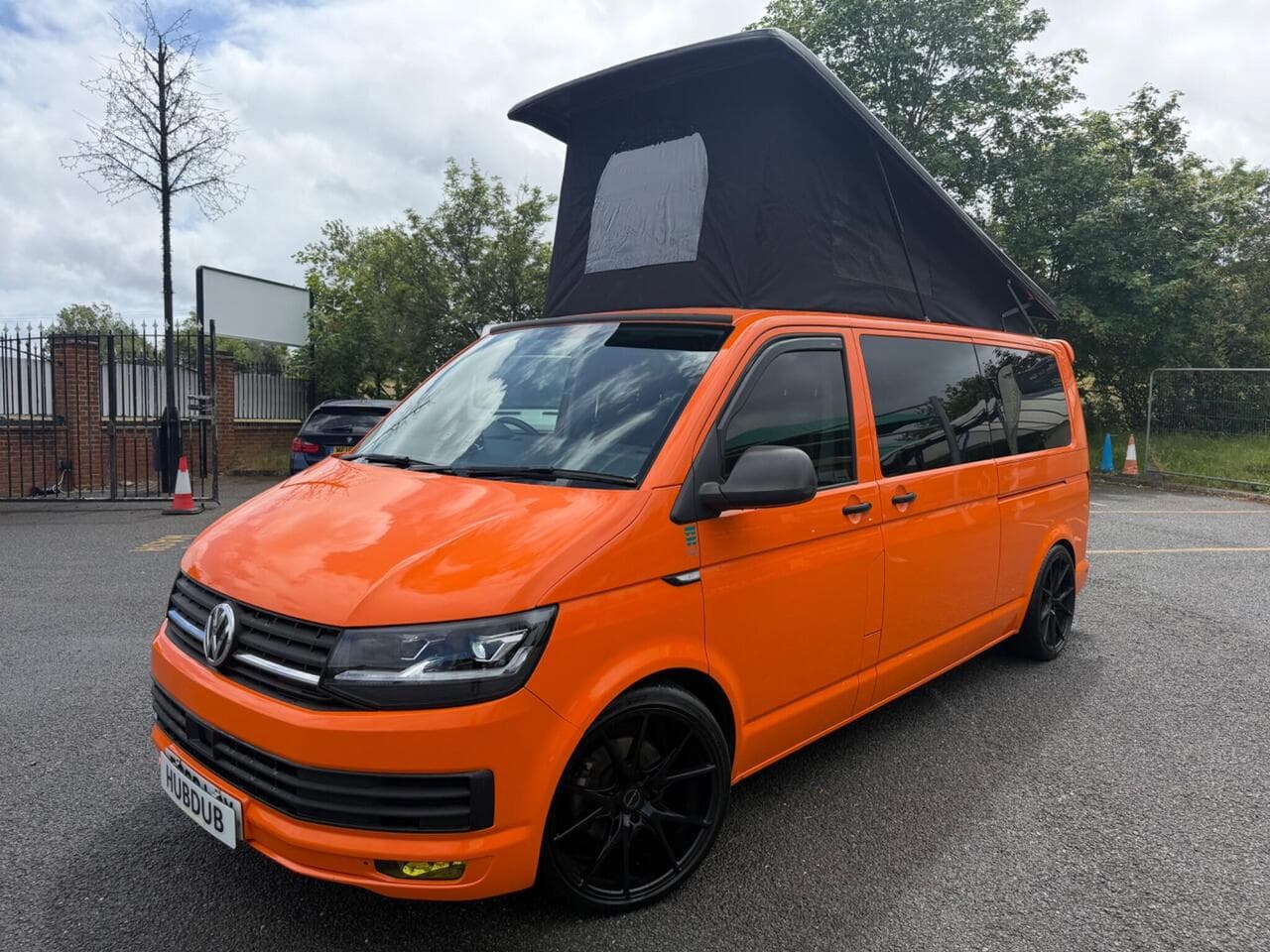
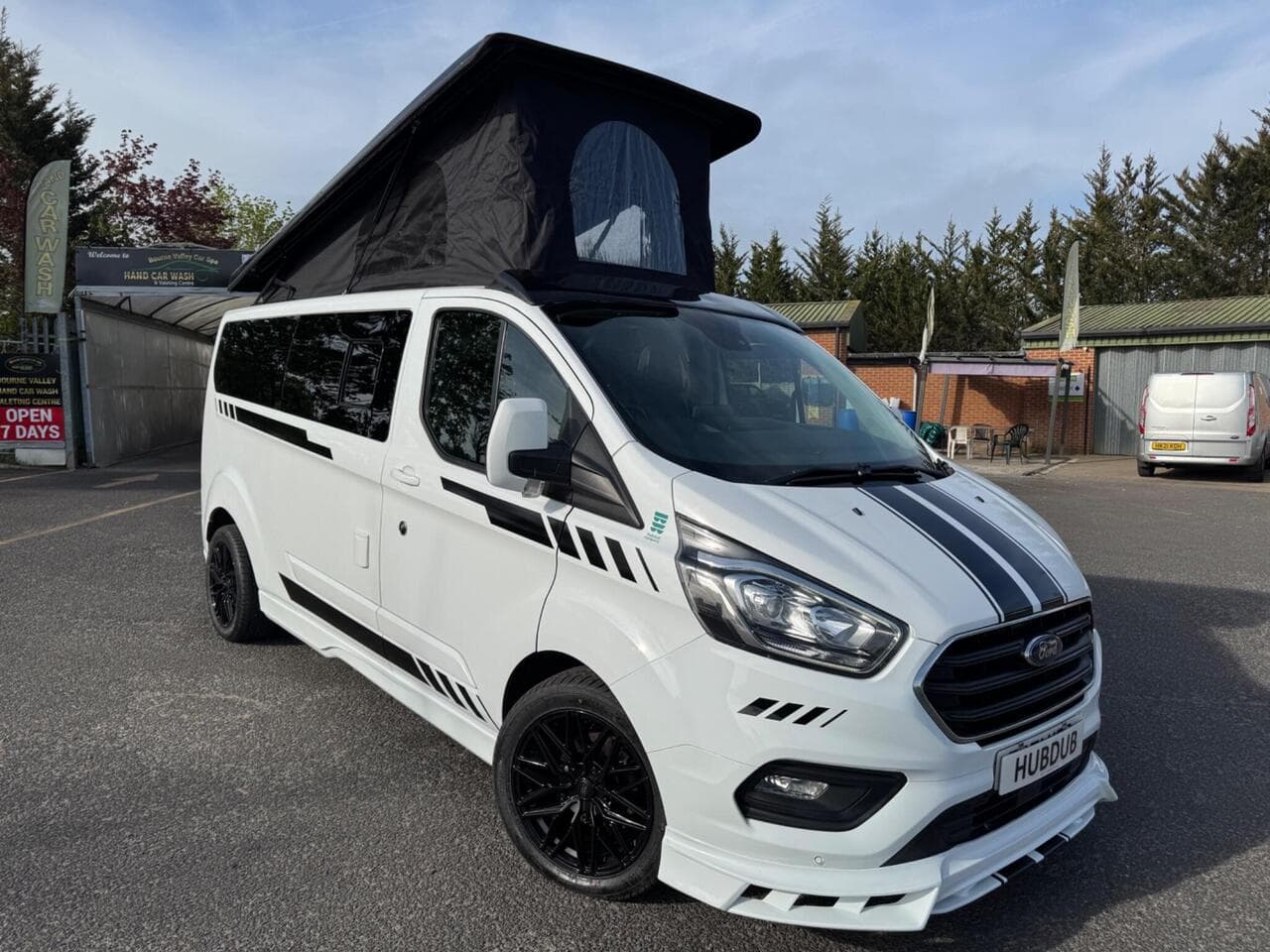
Commission a conversion, buy one finished, or do it yourself
An honest comparison of the three routes most UK buyers face, with the trade-offs nobody mentions on a forecourt — including the one we lose money by telling you.
Co-founder of HubDub Campers. Writes most of what you read here. Spends the rest of his time in the Petersfield workshop.
More about HubDubMost UK campervan buyers are choosing between three routes. Commission a workshop to convert a van you supply. Buy a finished conversion off a forecourt. Or convert one yourself on a driveway over a year or two.
We do the first two for a living, so we are not neutral. But we have watched enough customers arrive by all three routes to know that the wrong one costs more than the money, and we would rather you picked correctly than picked us.
Commission a conversion
What it is: you own or buy a VW Transporter or Ford Transit Custom, and a workshop converts it to your specification. Sixteen weeks at HubDub, from spec meeting to keys, with a fixed price agreed at week five.
Cost: priced by wheelbase, with the roof and heating quoted at specification, plus whatever the base van costs you. Current prices are on the custom build page.
Pros: the van is specified around how you actually travel; you know exactly what went into it because you chose it; a 12-month workmanship warranty and lifetime support behind it; and the reclassification, certification and paperwork are somebody else's problem.
Cons: sixteen weeks, plus the wait for a slot. You need to know roughly what you want. And you are trusting a workshop, which is why the questions in our commissioning guide matter more than the price.
Best for: buyers who intend to keep the van, who have a clear picture of how they will use it, and who would rather wait a season than compromise on the layout for a decade.
Buy a finished conversion
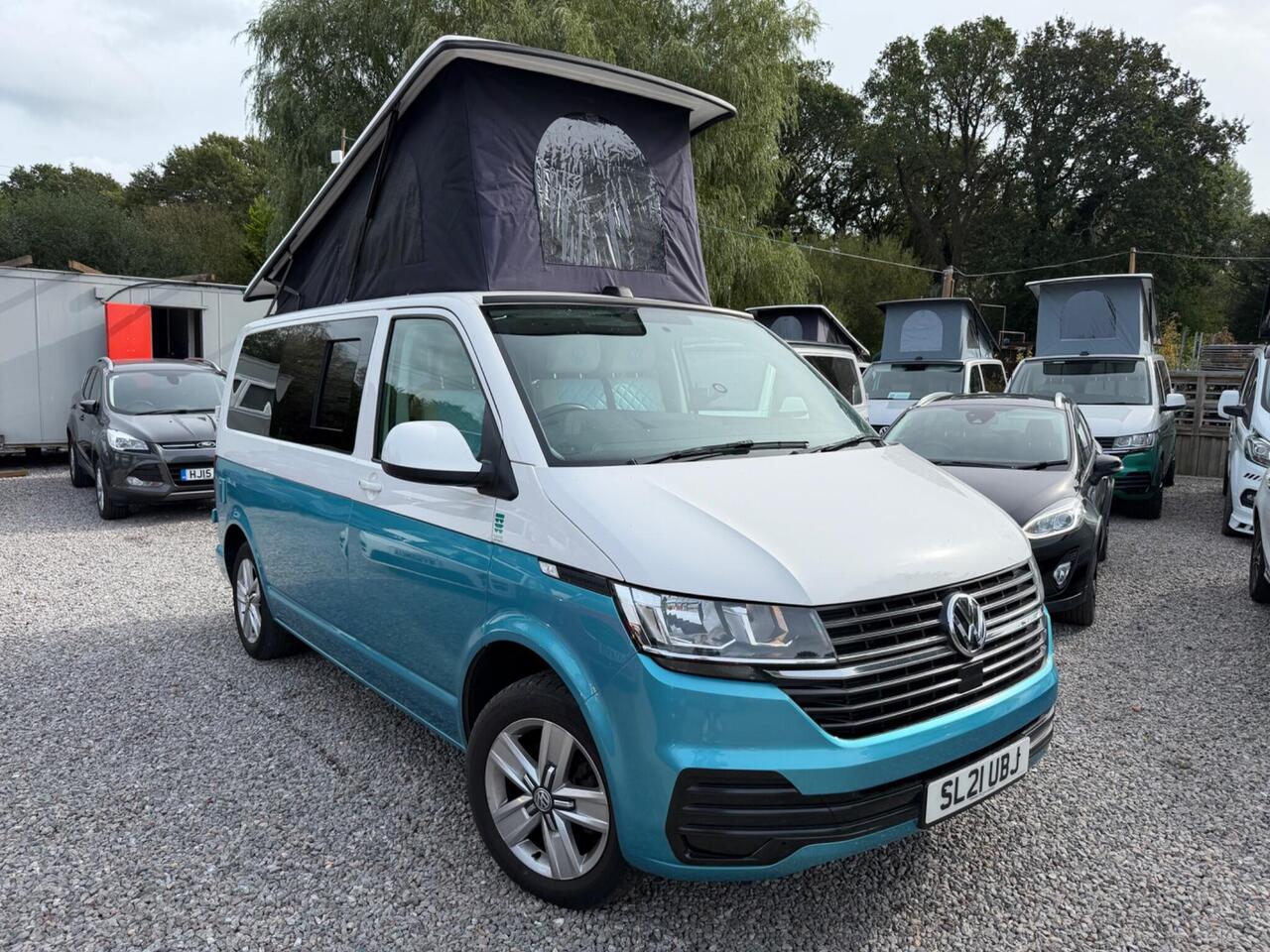
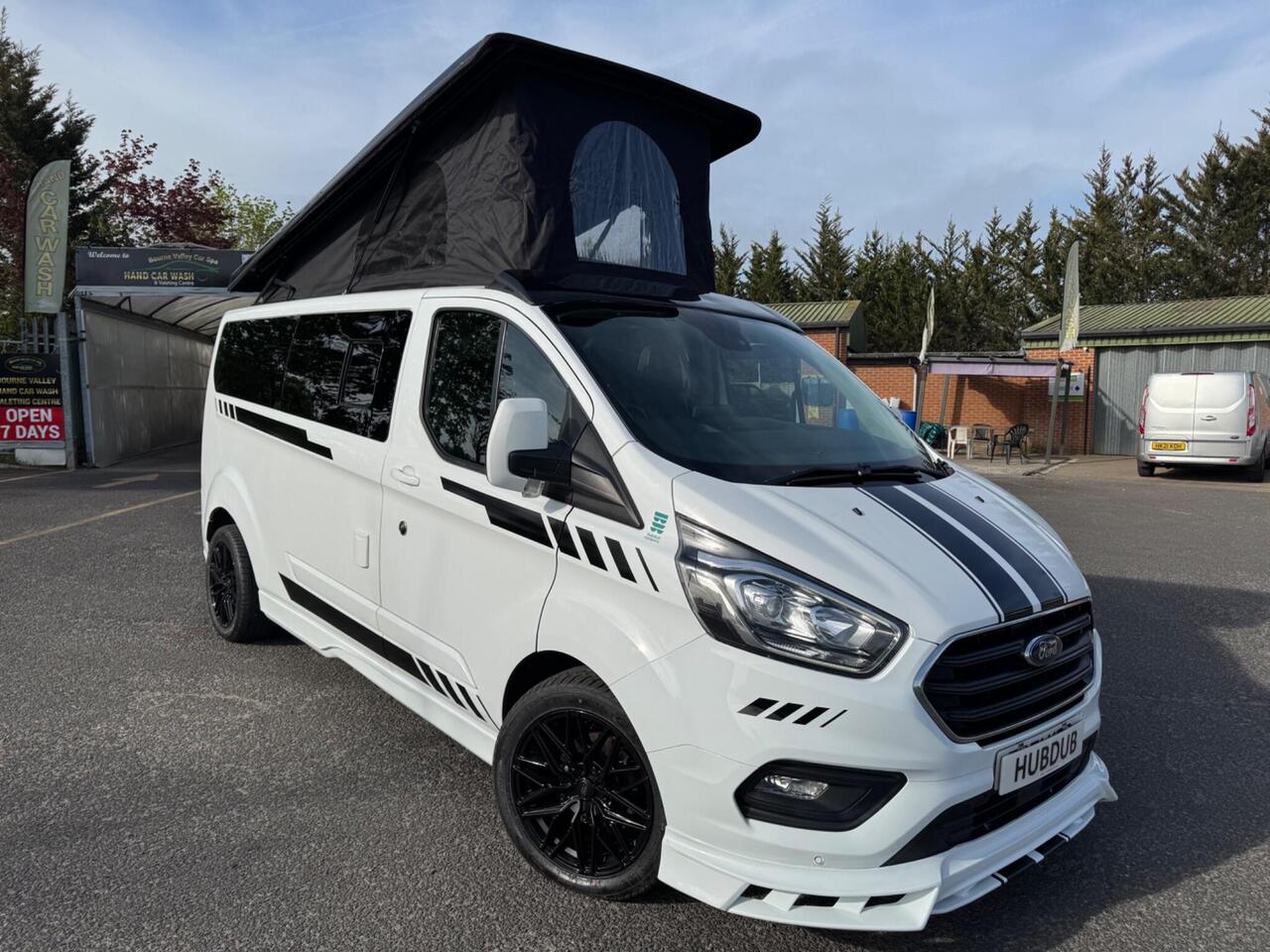
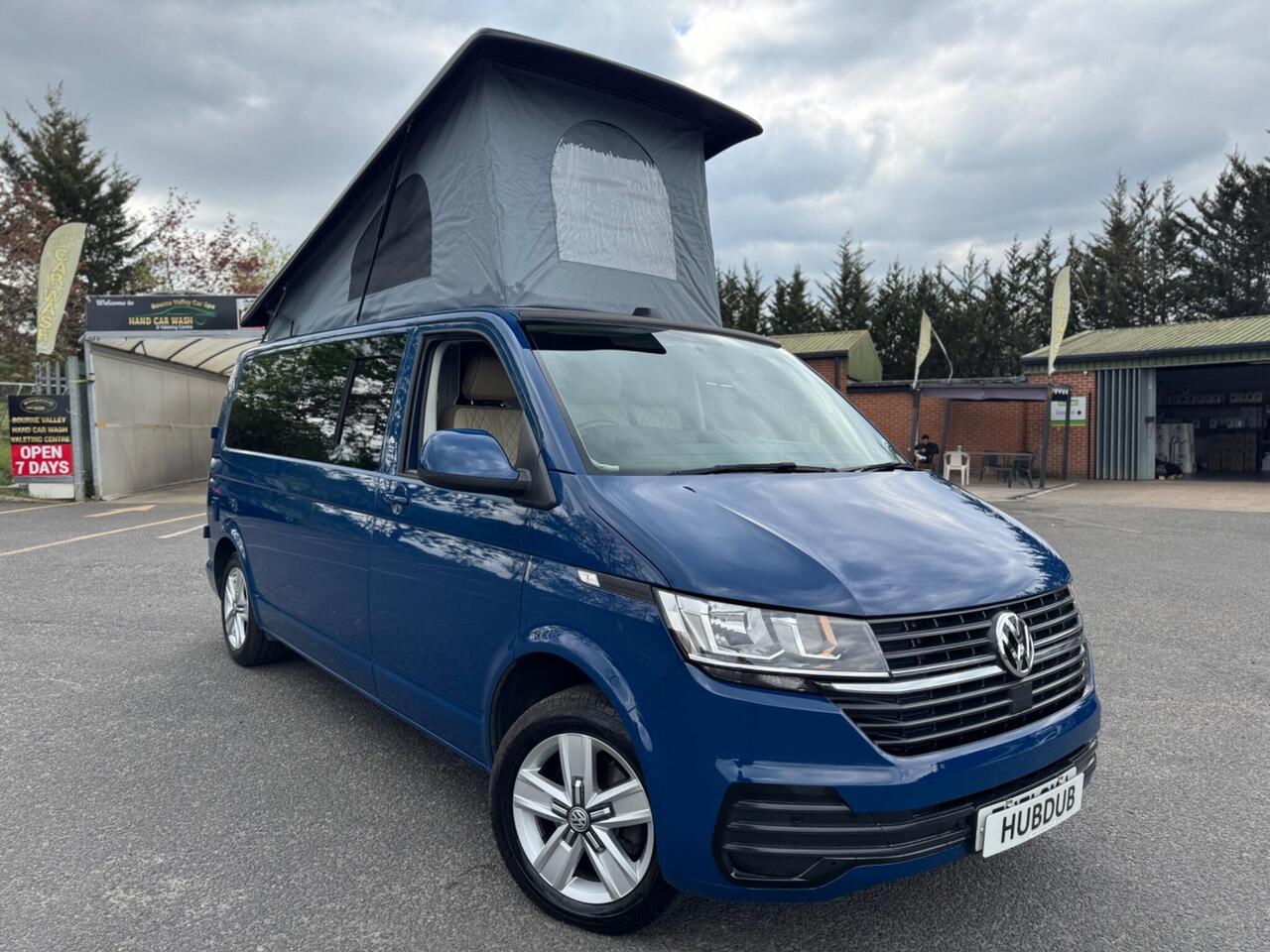
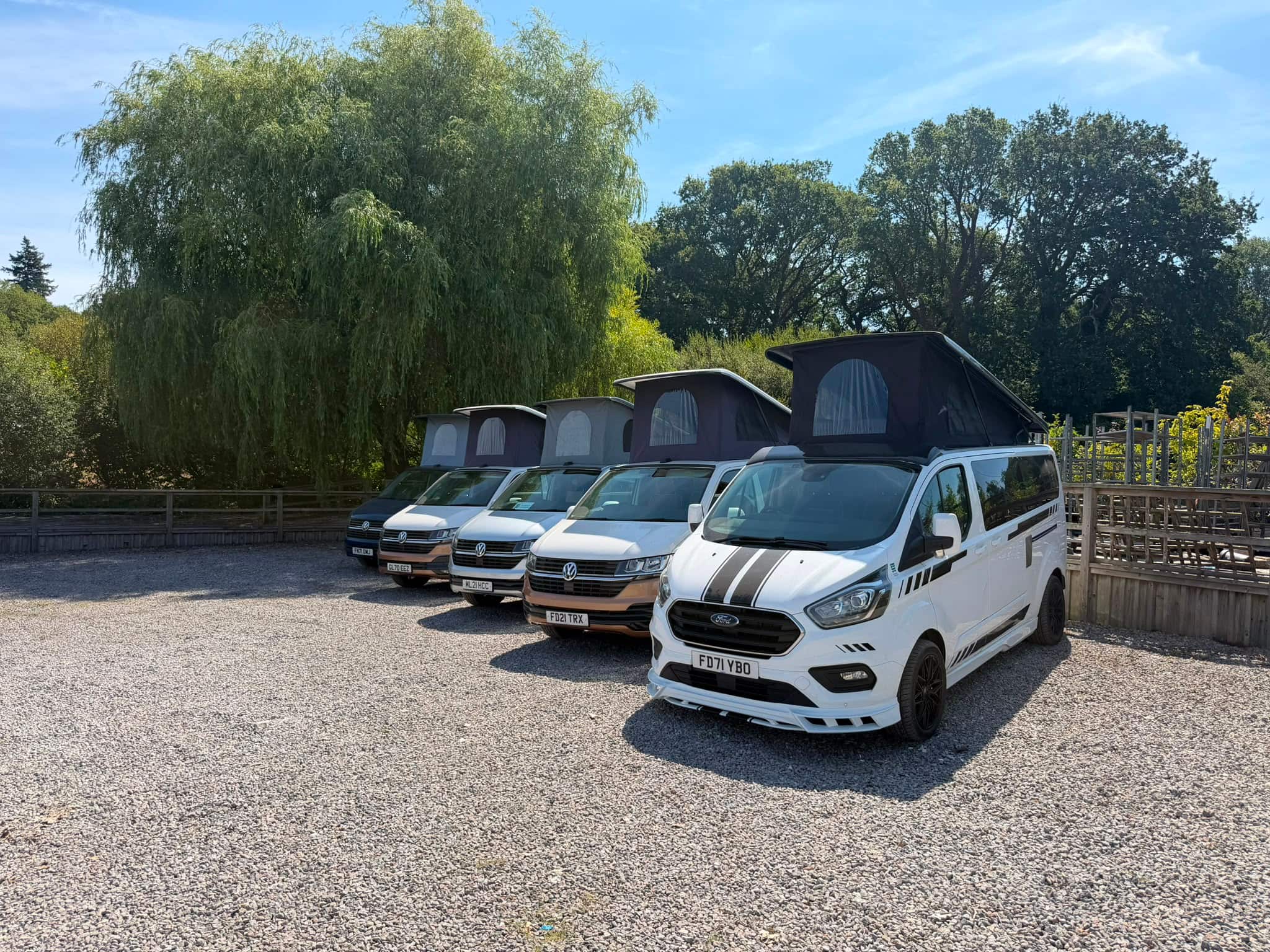
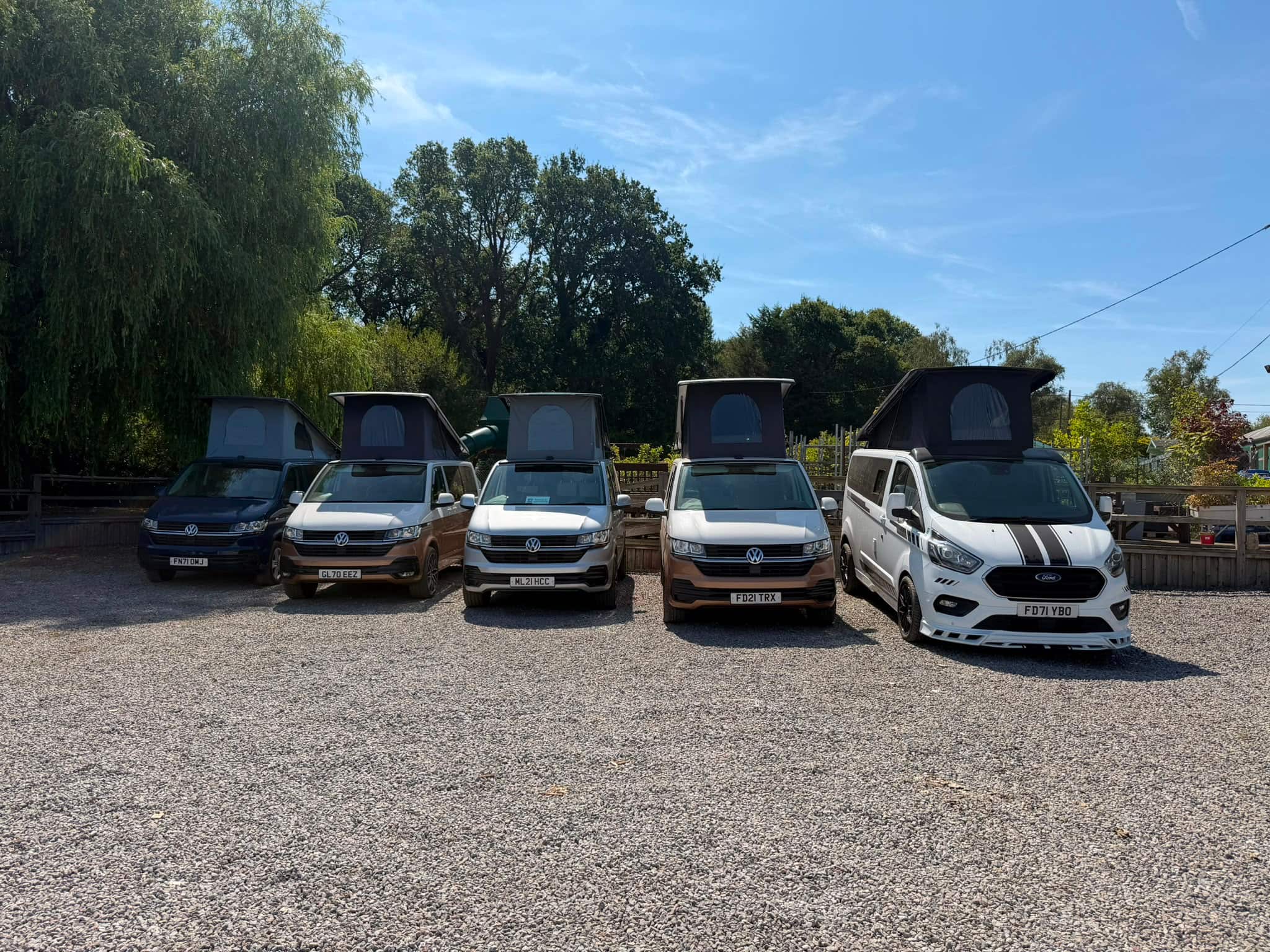
What it is: a campervan somebody has already converted, bought complete. Ours come from our own workshop and carry a 12-month conversion warranty; the wider used market ranges from excellent to alarming.
Cost: priced complete and on the road, with every camper listed individually on the campers page. A small refundable deposit holds one, part-exchange is welcome, and we charge no admin fees.
Pros: you can be away next weekend. The specification is visible and testable rather than imagined. And on a van bought from the workshop that built it, the warranty and the people who know the wiring are the same phone call.
Cons: the specification was somebody else's. On the open used market, build quality varies enormously and the warranty has usually expired. If you buy privately, get the bed certification and the gas locker checked before the money moves.
Best for: buyers who want to start using a campervan now, and buyers who have never owned one and do not yet know what they would specify.
Convert it yourself
What it is: you buy a panel van and convert it, either entirely yourself or by subcontracting the parts you would rather not attempt — usually the electrics, the gas and the roof.
Cost: materials, plus trade time for whatever you subcontract, plus the van, plus a year or two of your weekends.
Pros: cheapest by a wide margin if you genuinely do the work. You will understand every wire and every screw, which is worth a great deal the first time something fails in a car park. And the build is exactly to your specification, because you are the specification.
Cons: it takes far longer than anyone plans for. Resale is usually poor unless the build is exceptional and documented. And three jobs on the list are genuinely dangerous to get wrong: 12V wiring, the gas installation, and the structural mounting of the bed. A homemade bench seat with belts bolted through a floor that was never engineered for it will pass an MOT and fail a crash.
Best for: people who want the building as much as the van, and who have the space, the tools and the patience. If that is you, get the gas and the electrics signed off by somebody qualified even if you do everything else. Cut the roof last, and cut it once.
A simple way to decide
- Want to be away this month, or not yet sure how you will use a van? Buy one finished.
- Want the project as much as the van, and have a driveway and two years? Do it yourself.
- Know how you travel and intend to keep the van? Commission a conversion.
Here is the part that costs us commissions, and we publish it anyway: a good number of the people who commission a conversion from us owned a finished camper first. A season in somebody else's specification is the cheapest possible research into your own. If you are on the fence, buy finished, use it hard for a year, and come back knowing exactly what you want changed.
Common questions
Converting is clearly cheaper if you already own a suitable van, because you are only paying for the conversion. If you have to buy a base van as well, the two routes end up much closer than people assume — at which point the real difference is not money but specification: converting gets you your layout and finishes rather than somebody else's.
It is worth it if you value the build itself and have a year or two of weekends. It is not worth it purely to save money, because the time is substantial and DIY conversions resell poorly unless exceptionally well documented. Whatever else you do yourself, have the 12V wiring, the gas installation and the bed mounting checked by someone qualified.
Four things, in order. Is the bed crash-tested to M1 or only "M1 style"? Is the pop top certificated and does the roof seal show any sign of leaking? Does the gas bottle live in a sealed locker that drains outside the van? And does the conversion charge its leisure battery through a DC-to-DC charger, which a Euro 6 van needs, or a split-charge relay, which will not do the job properly.
Far longer than planned. Budget one to three years of evenings and weekends for a first conversion done properly, and expect the last 10% — trim, seals, snagging — to take as long as the first half.