Campervan layouts explained: beds, galleys, roofs and storage
In a Transporter or Transit Custom there is one sound architecture and about six decisions inside it. Here is what each one costs you elsewhere in the van.
Co-founder of HubDub Campers. Writes most of what you read here. Spends the rest of his time in the Petersfield workshop.
More about HubDubMost buyers can describe the outside of their dream campervan in a sentence and cannot describe the inside at all. That is reasonable. The layout is where the bed sits and where the kitchen sits and which way the door opens and where the wet boots go, and it is nearly impossible to picture from a brochure.
Here is the honest starting point for a van the size of a Transporter or a Transit Custom: there is one architecture that genuinely works, and the decisions are inside it. Anyone selling you a radically different floor plan in five metres of van is selling you a compromise wearing a costume.
The architecture
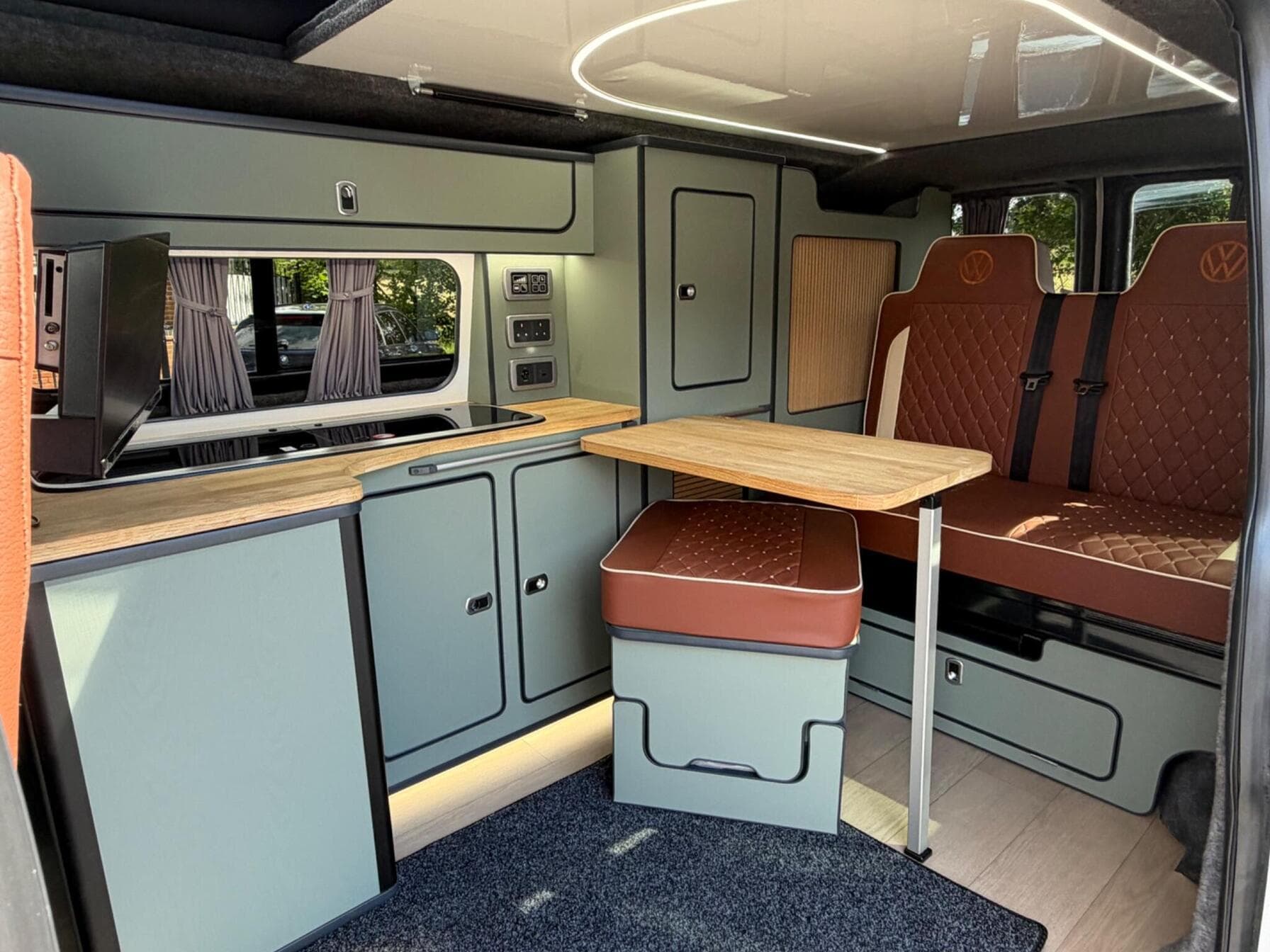
A galley along one side. A rock and roll bed across the back that seats and belts passengers by day and folds flat to sleep two by night. Swivelling front seats that turn the cab into the lounge when you are parked. A wardrobe, a gas locker, and a table that comes out on a rail and goes away again.
That is it, and the reason it is universal is arithmetic rather than a lack of imagination. In this footprint, every square metre has to do two jobs, and the only way to get four seats, two beds, a kitchen and standing height into it is to make the same space perform different functions at different times of day.
Decision one: the roof
The largest decision you will make, and the largest line in most quotes. A fixed roof gives you a two-berth van that drives under every height barrier and car park in the country, and in which nobody stands up.
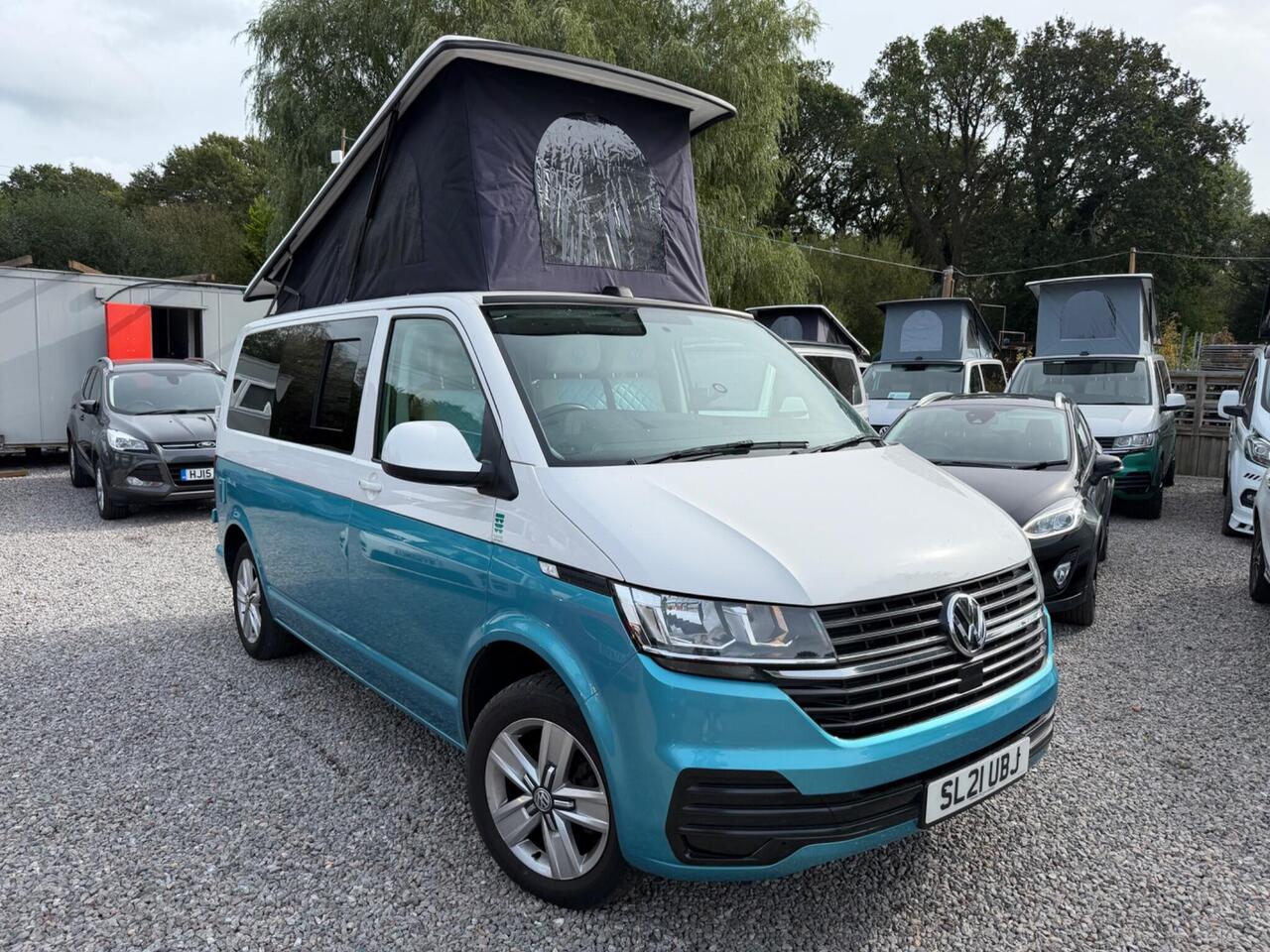
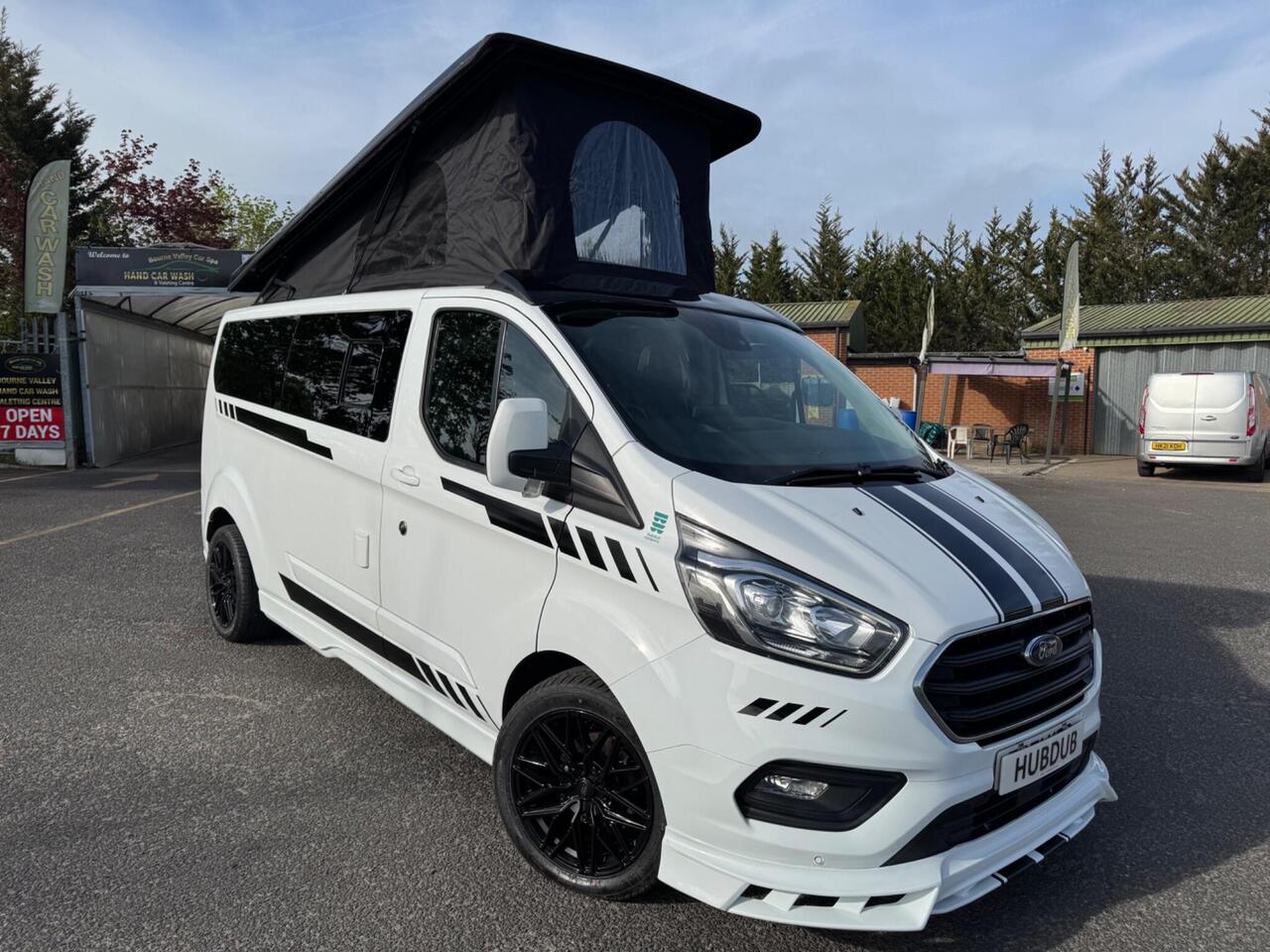
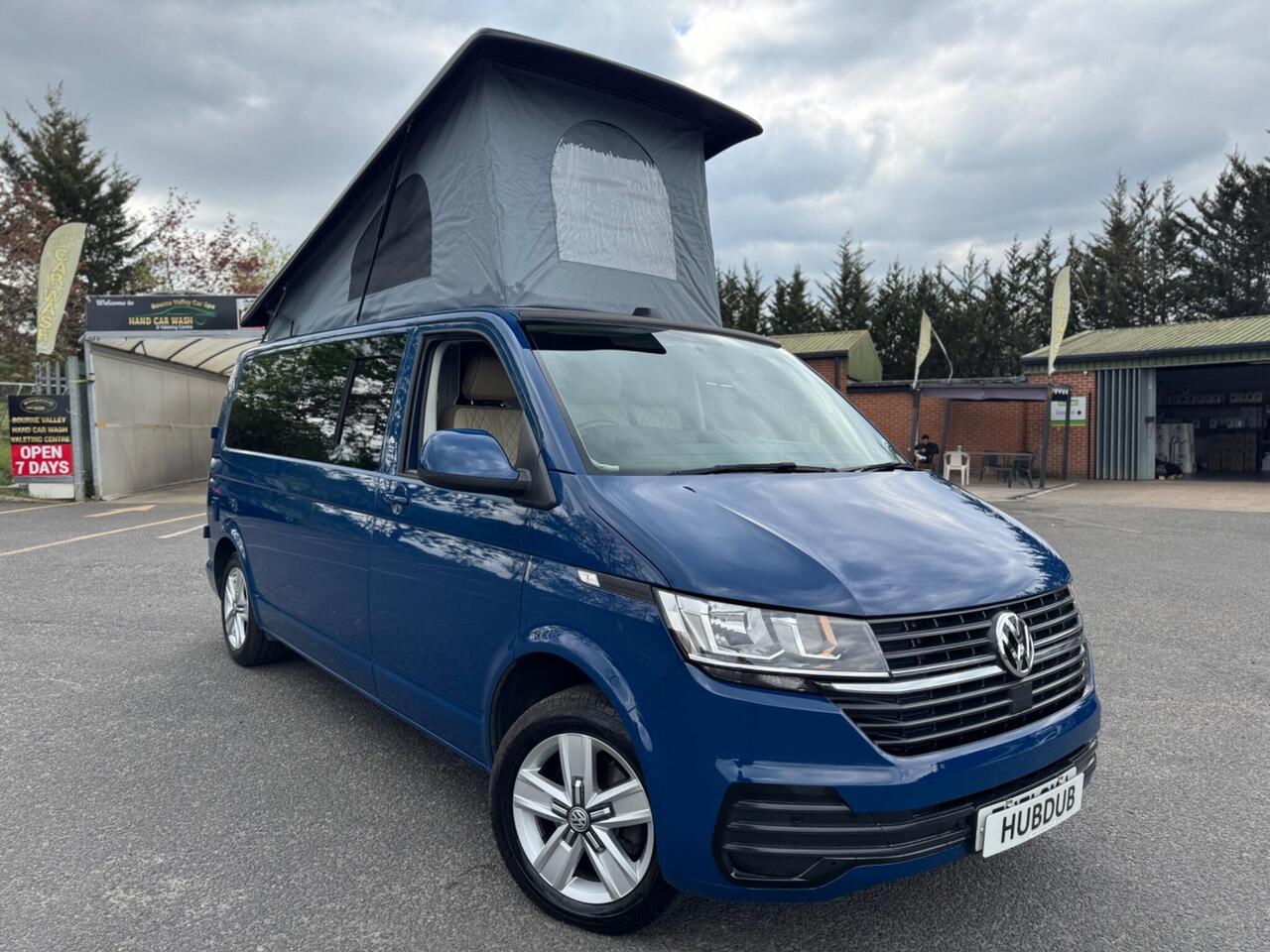
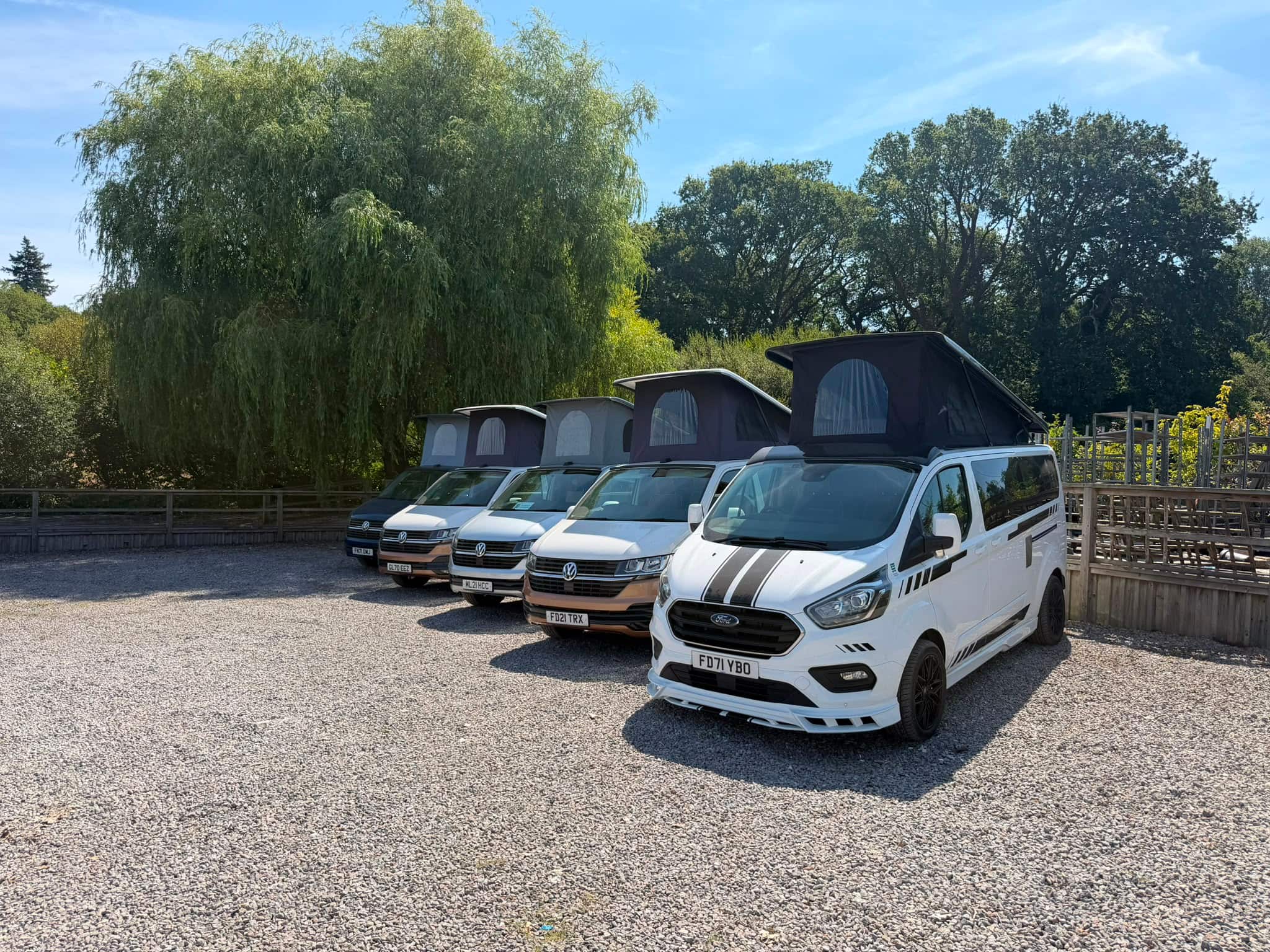
A pop top gives you standing height in the galley and a second double bed under the canvas — a four-berth van. Ours is a vacuum-formed fibreglass roof in gloss black, certificated and MOT-compliant, with laser-cut stainless scissor hinges that use the vehicle's own fitting points, galvanised steel side strengthening frames, an above-cab box-section frame, and a gas-strut-assisted bed board.
The detail worth caring about is who cuts the roof. It is the most common place a conversion leaks, and the failure does not show up for two winters. We cut and seal every one in our own workshop rather than subcontracting it.
Decision two: the wheelbase
Short wheelbase fits a domestic driveway, a standard parking bay and a ferry deck without thinking about it. Long wheelbase adds galley run and storage, which is what separates a van you sleep in from a van you can live in for a fortnight. It costs a fixed increment more to convert and considerably more than that in usefulness.
Our advice, unchanged for years: if you can park a long wheelbase at home, buy a long wheelbase. Almost nobody regrets the length. A meaningful number of people regret the storage they did not get.
Decision three: the bed
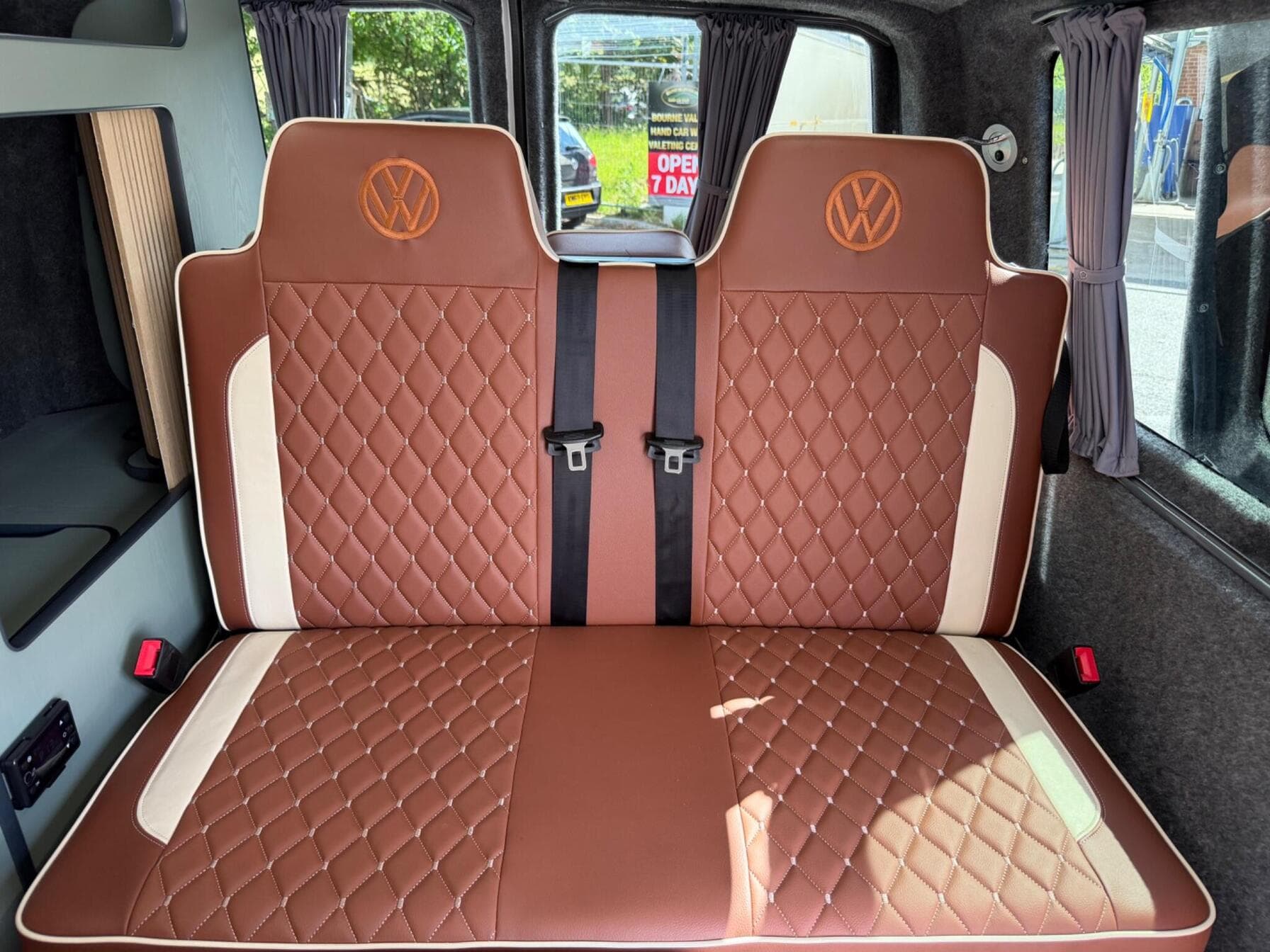
The rock and roll bed is the right answer in this van, and the only question worth asking about it is whether it has been crash-tested. Ours is a SmartBed EVO II, tested to M1 as a seat, with two inertia-reel belts and a bed board matched to the furniture.
"M1 style" is a phrase you will see everywhere in this industry. It means the bed was built to resemble a tested one and never actually tested. It looks identical in a photograph and behaves very differently in an accident. Ask for the certificate, not the phrase.
Decision four: the galley side
The galley runs along one side, and the useful question is which. Put it opposite the sliding door and the door becomes part of the kitchen: you cook facing out, the steam leaves, and in good weather the van opens onto wherever you have parked.
Put it on the sliding-door side and you gain an uninterrupted run on the opposite wall for seating and storage, at the cost of stepping around the cook every time somebody comes in. Most of our builds put the galley opposite the door, and most owners tell us afterwards that the open-door cooking is the thing they did not expect to love.
Inside the run: a Smev 9222 sink and hob combination under a single glass lid, so the worktop returns the moment you are finished, a fold-up micro-switch tap on an electric pump, and a Dometic CRX-50 fridge built into the run rather than dropped into a hole cut for it.
Decision five: the wardrobe
A tambour-door wardrobe, with shelves or a hanging rail. It is a choice rather than an upcharge, and the honest guidance is that hanging rail suits people who travel for work or to weddings, and shelves suit everybody else. Shelves hold more, in a van where volume is the scarce commodity.
Decision six: where the wet boots go
Storage is the thing buyers most underestimate at the design stage and most appreciate a year in. The under-bed space is the largest single volume in the van and the one worth planning properly. Beyond that, think about the specific objects you own: the dog, the paddleboard, the two pairs of boots that will come back wet in February.
One thing we get asked for and will talk you out of: a washroom. In five metres of van, a shower cubicle costs you the galley or the wardrobe, and almost every owner who fits one in a vehicle this size stops using it by the second season. A cassette toilet stowed in the wardrobe and a campsite shower once a week is the arrangement that people actually live with. Vans big enough to justify a wet room are a different category of vehicle, and a different conversation.
What we would build
Given a blank brief and no strong preferences: long wheelbase, gloss black pop top for four berths and standing height, galley opposite the sliding door, SmartBed EVO II across the back, double swivel base up front, tambour wardrobe with shelves, and the under-bed space left as one large volume rather than divided up. That is the van we have built more than any other and the one owners come back and say worked.
Common questions
A side galley opposite the sliding door, a rock and roll bed across the rear, swivelling front seats, and a pop top for standing height and two extra berths. In a van this size that architecture is close to universal, because every square metre has to do two jobs.
For most buyers, yes. It is the largest line in the quote and it changes the van most: standing height in the galley and a second double bed, turning a two-berth into a four-berth. The thing to check is who cuts and seals the roof, because that is the most common place a conversion leaks and it will not show for two winters.
Long, if you can park one at home. It adds galley run and storage for a modest increment on the conversion, and it is the difference between a van you sleep in and a van you can live in for a fortnight. Almost nobody regrets the length; plenty of people regret the storage they did not get.
You can, and we would advise against it. In five metres of van a shower cubicle costs you the galley or the wardrobe, and most owners who fit one stop using it by the second season. A cassette toilet stowed in the wardrobe is what people actually live with.
A bed that has been crash-tested to M1 standard as a seat, so its belted passengers are protected in an impact. Watch for "M1 style", which means a bed built to resemble a tested one that was never tested. The two look identical in photographs. Ask for the certificate.