Driving north: planning a Highlands trip in a campervan
How to think about a three-week Scotland trip in a converted Transporter: the route decisions that matter, the spec that earns its keep, and the gear most owners pack once and never again.
Co-founder of HubDub Campers. Writes most of what you read here. Spends the rest of his time in the Petersfield workshop.
More about HubDubScotland is the trip most HubDub owners do first. From the south coast it is a long two days to the Highlands and a longer one back, and the mistake almost everybody makes the first time is treating the driving as the cost of the holiday rather than part of it.
This is a planning guide rather than a trip report. Route decisions, the parts of a conversion that earn their keep on a long northbound run, and the things people pack the first time and leave at home the second.
How long to give it
Three weeks is the figure most owners settle on after doing it once. Two weeks works if you are going somewhere specific and coming straight back. Under ten days is mostly motorway with a nice lunch in the middle.
The further north you go, the slower you should go. Pushing through Glencoe in a single day on the way up is the classic first-trip error — it is the stretch people come back and say they wish they had given three days to.
Route decisions that matter
- The North Coast 500 is famous, genuinely busy in summer, and worth doing once. Going anti-clockwise keeps the sea on your left and puts the better pull-offs on your side of the road.
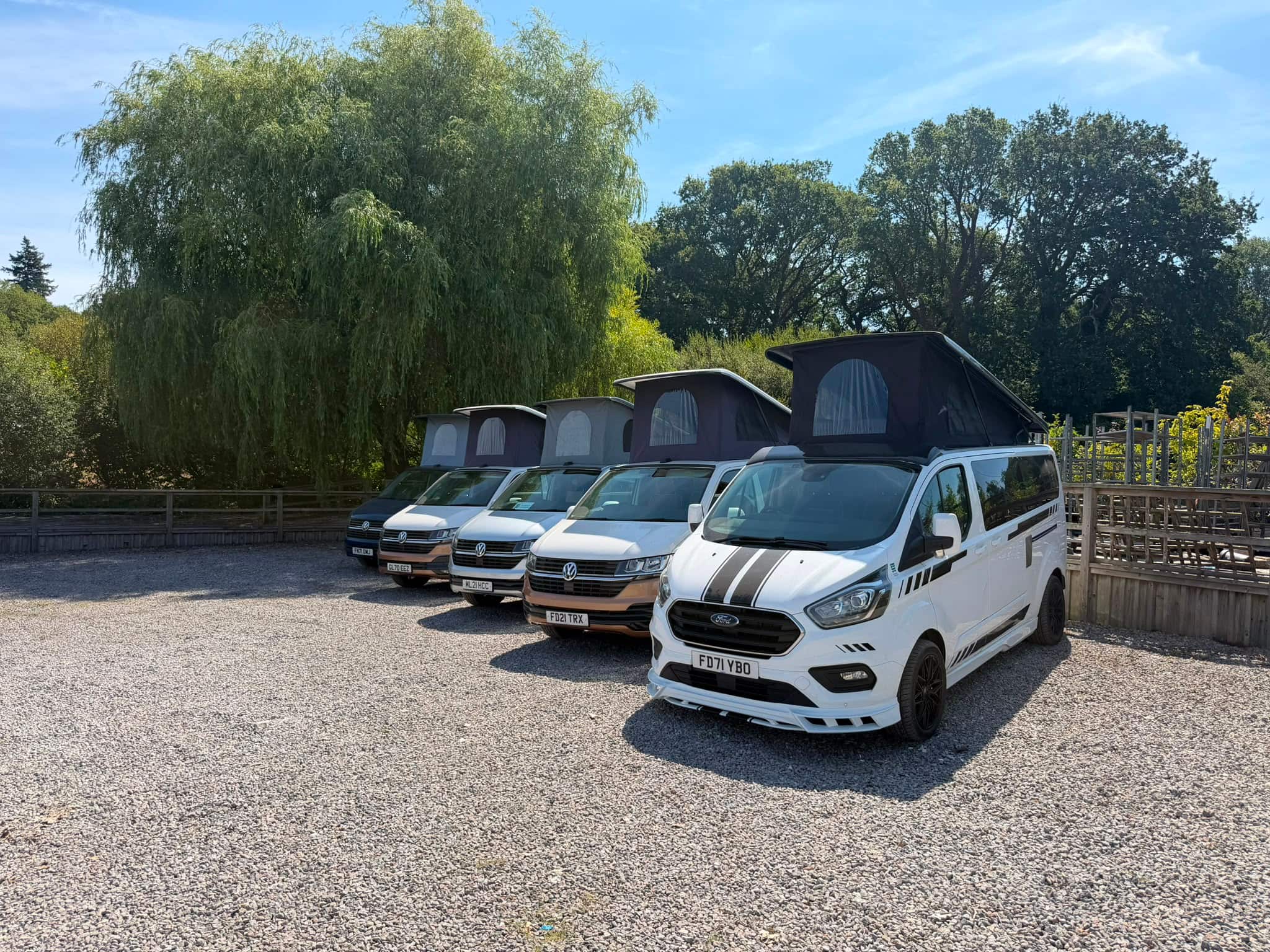
- The peninsulas — Knoydart, Applecross, Ardnamurchan — reward slow driving and reward a small van. This is where a Transporter or Transit Custom is quietly the right vehicle. Single-track with passing places is a great deal less stressful in five metres than in seven.
- Cape Wrath is the quiet alternative to John o' Groats. No through traffic, and the single-track to Durness is a long way of not very much, in the best sense.
- The Cairngorms are the shoulder-season and winter answer, and they change the spec conversation entirely. We have written that up separately.
Spec that earns its keep
Owners who have done the trip and come back to talk about it tell us broadly the same things.
- Night heating runs more than you expect, including in July. Scotland at two in the morning is not the Scotland of the afternoon you remember, and a heater specified around your actual travel pattern is the single piece of kit that earns its place most.
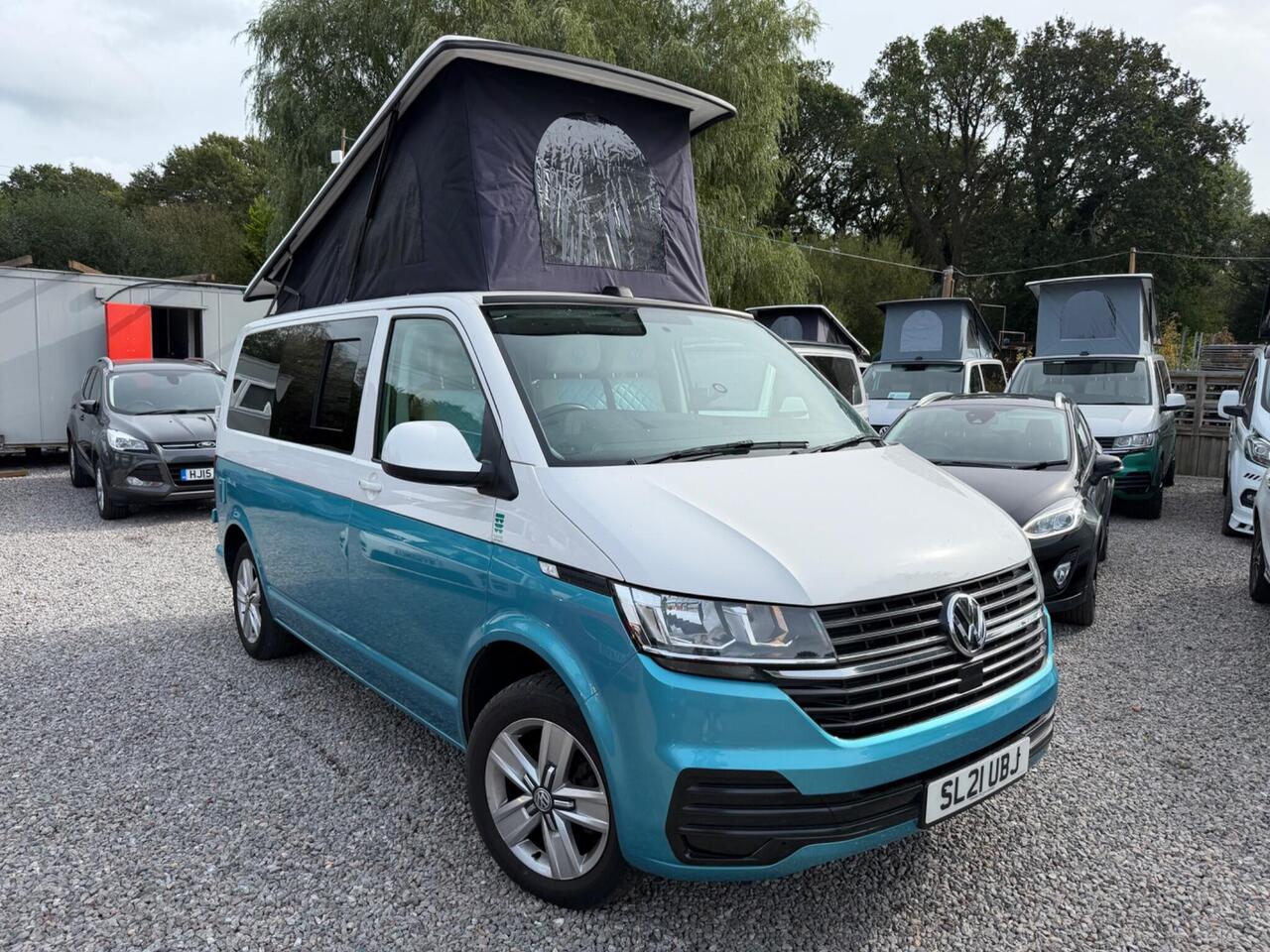
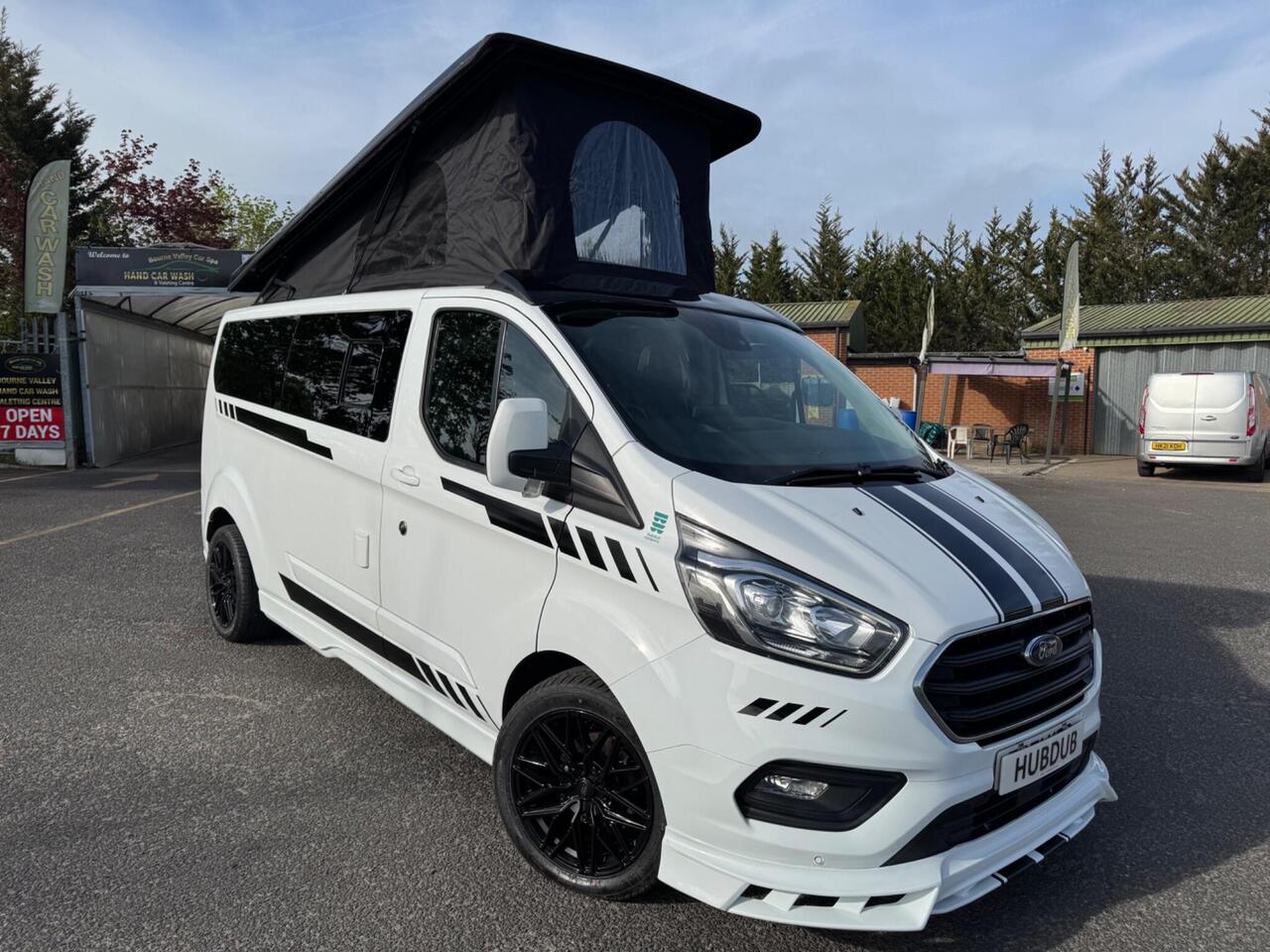
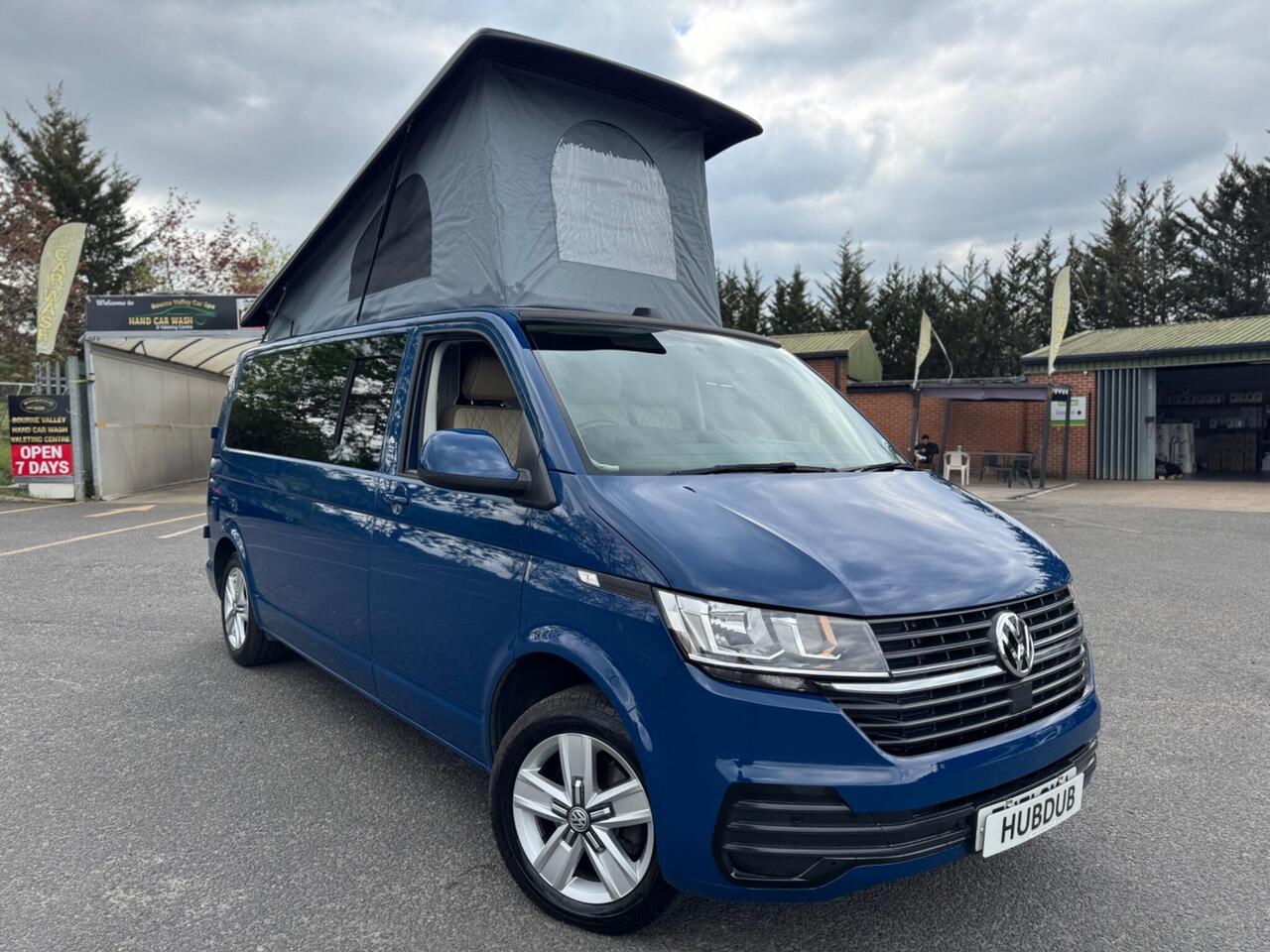
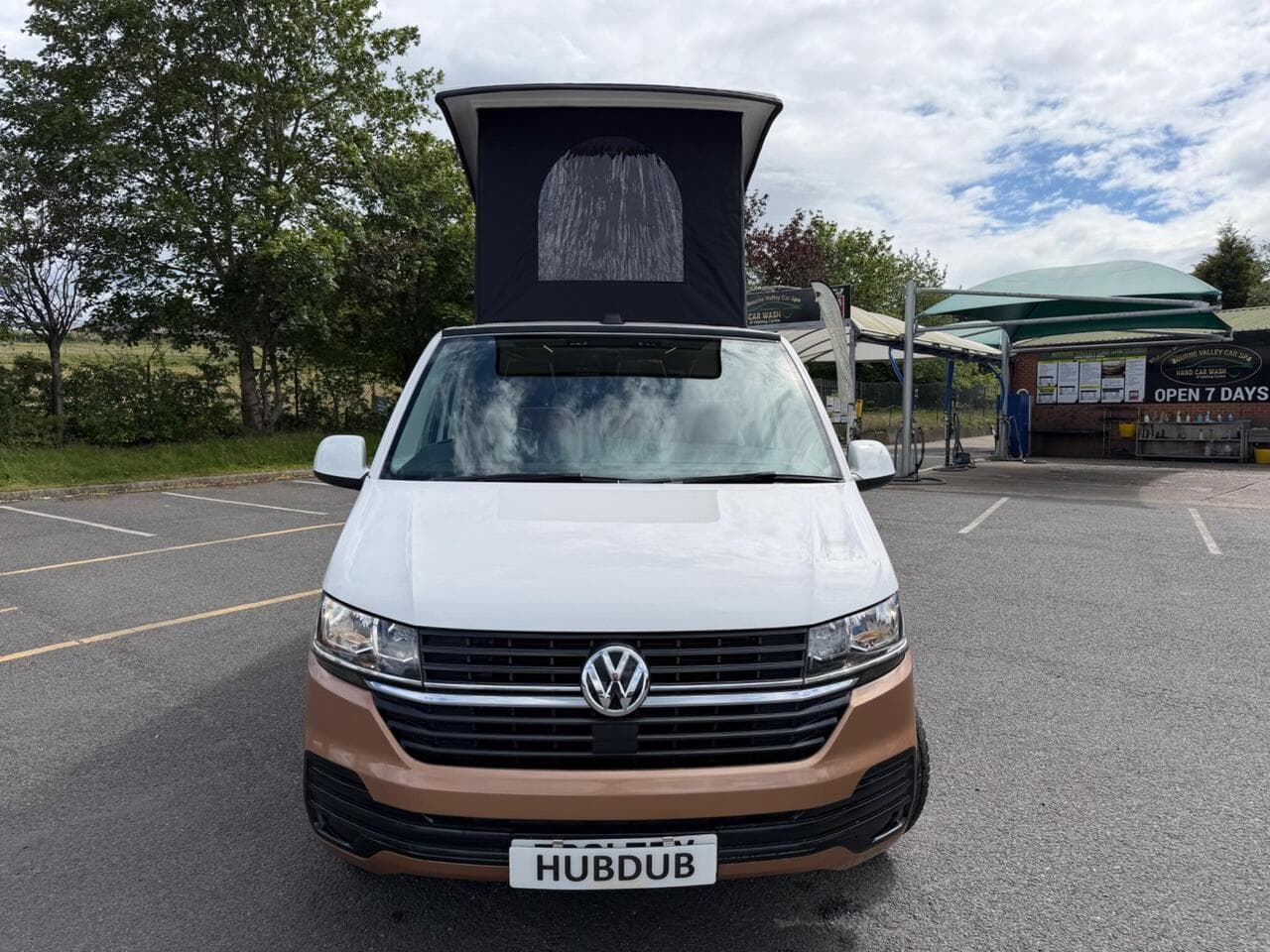
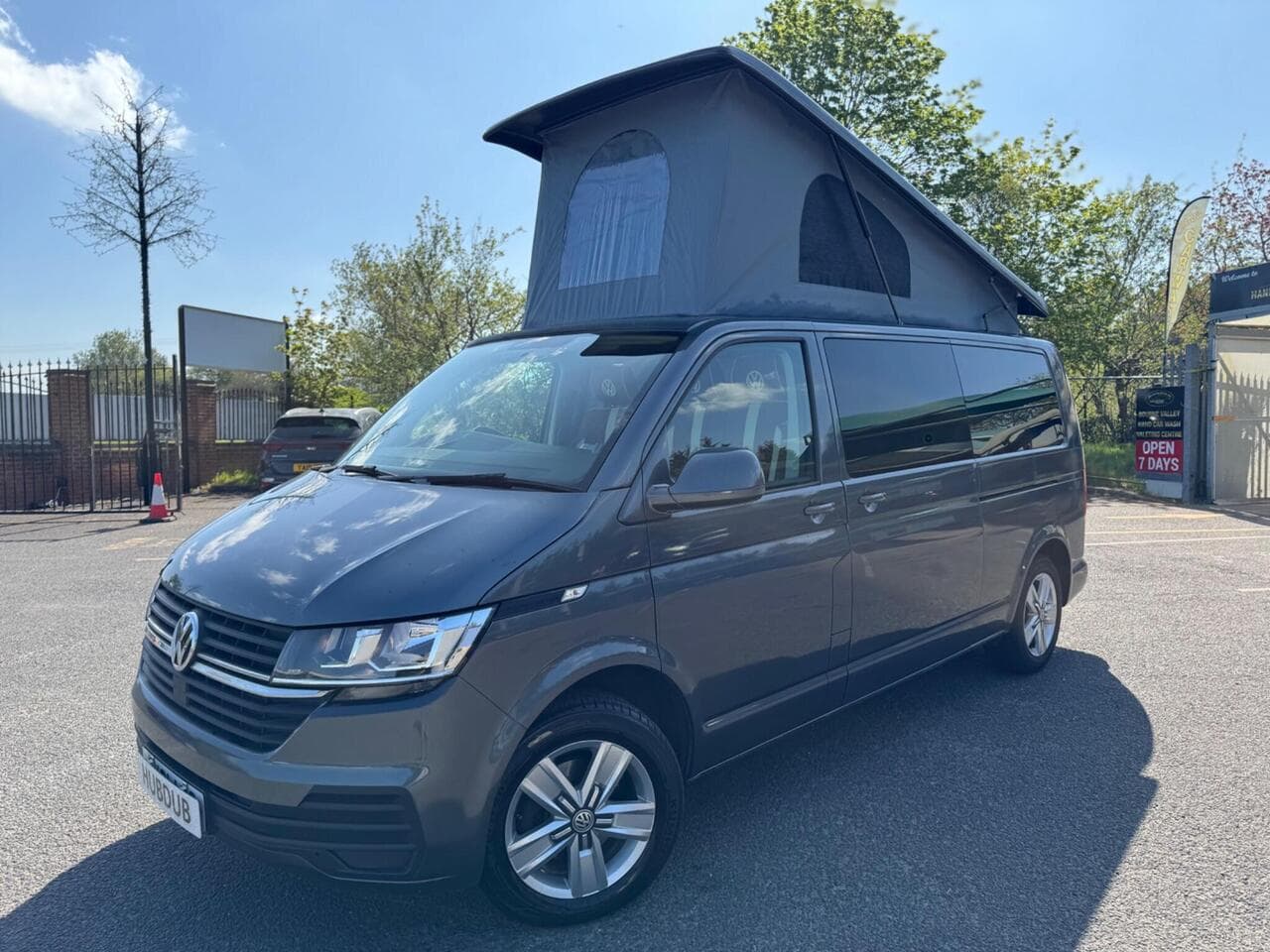
- The pop top is the thing people are gladdest of and the thing they are most careful with. Standing height to cook in transforms a wet day. But canvas is canvas: in real wind, put the roof down and use the space below.
- Charging matters more than capacity. A 110Ah leisure battery is ample for this trip, provided it is actually being refilled — which on a Euro 6 van means a DC-to-DC charger rather than a split-charge relay. Long driving days are your best power source up there, and only if the van is set up to use them.
- Water is the constraint nobody plans for. Ten litres on board is a tap discipline, not a tank you forget about. Fill at every opportunity, carry a collapsible container in the garage space, and know where you are refilling tomorrow rather than working it out at eight in the evening.
Where you will actually sleep
A mix, if you are sensible. Scotland's access legislation is more permissive than England's, and the Scottish Outdoor Access Code is the document to read rather than the internet's summary of it. Wild camping in a vehicle is not the same thing as wild camping in a tent, and "vehicle-based" is where the nuance sits.
In practice most owners run three or four nights parked up to one on a site — the site being for water, waste and a shower rather than for power. Pay for the sites you use, book ahead in July and August on the NC500, and leave the pull-off in better condition than you found it. The access rights on that coast are being tested by volume right now, and campervans are the visible end of it.
What most owners overpack
The same three things turn up in nearly every debrief. Too many books. A second pair of boots that never leaves the bag. And a speaker that gets used twice. The second trip is always lighter, and the space it frees goes to the things that actually get used — dry bags, a proper drying line, and more water containers.
Common questions
Three weeks is what most owners settle on after doing it once. Two weeks works if you are heading somewhere specific and coming straight back. Under ten days and the driving dominates — from the south coast it is a long two days each way before you have seen anything.
It is arguably the right size rather than merely adequate. The best driving up there is single-track with passing places, and the peninsulas — Knoydart, Applecross, Ardnamurchan — are considerably less stressful in a five-metre van than in a seven-metre one.
Scotland's access rights are more permissive than England's, but vehicle-based camping sits differently in the legislation than camping from a tent. Read the Scottish Outdoor Access Code itself rather than a summary of it, check for local byelaws — parts of the NC500 and Loch Lomond have them — and leave every pull-off better than you found it.
May and September. Long days, fewer midges, and far less traffic than July and August, when the NC500 and the campsite network are both genuinely busy. Winter is rewarding in a properly specified van, which is a different set of decisions.
Treat ten litres on board as a discipline rather than a tank. Fill at every opportunity, carry a collapsible container in the storage space, and know where tomorrow's refill is coming from. Campsites are worth paying for on a long trip mainly for water, waste and a shower.