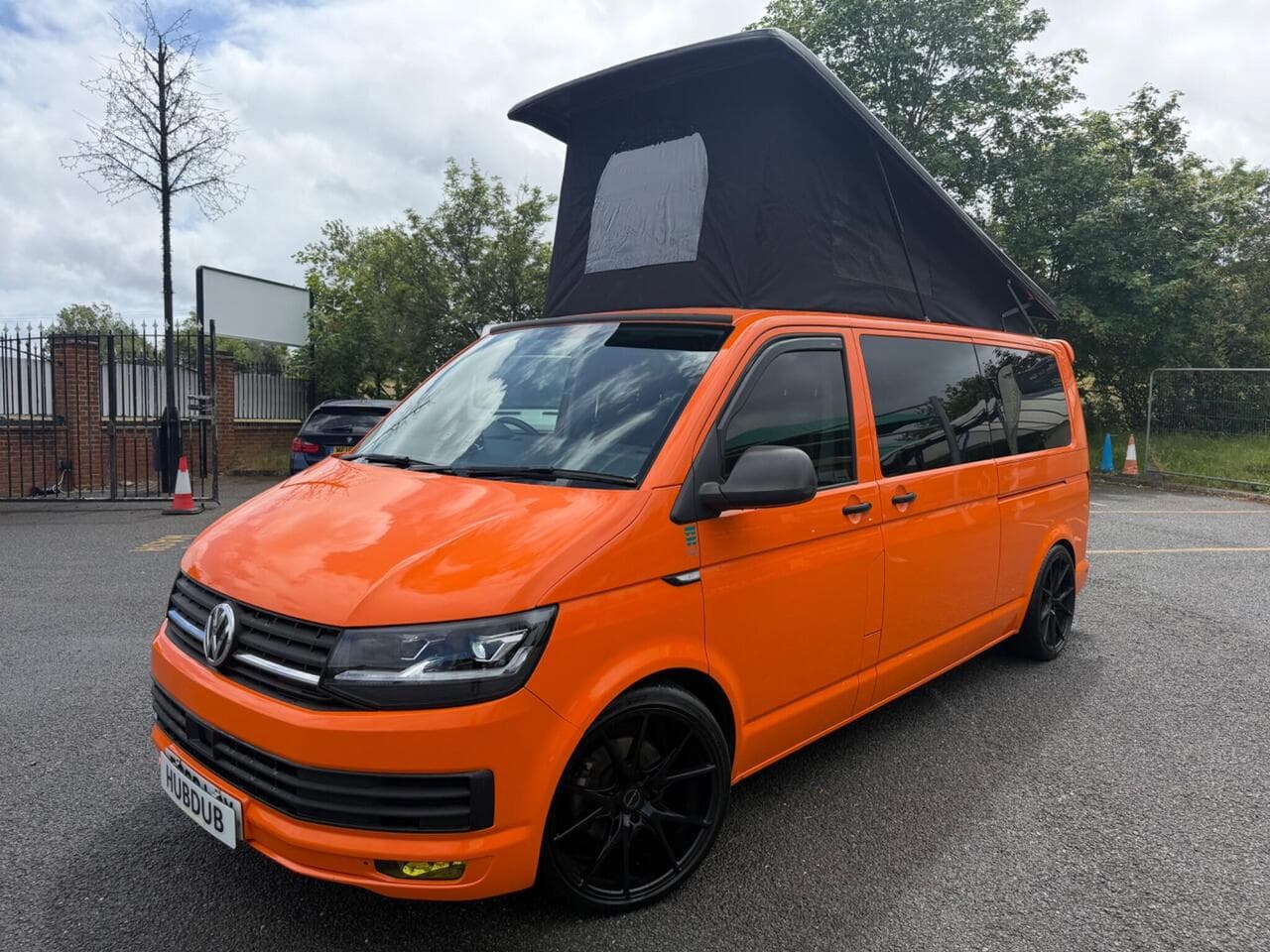
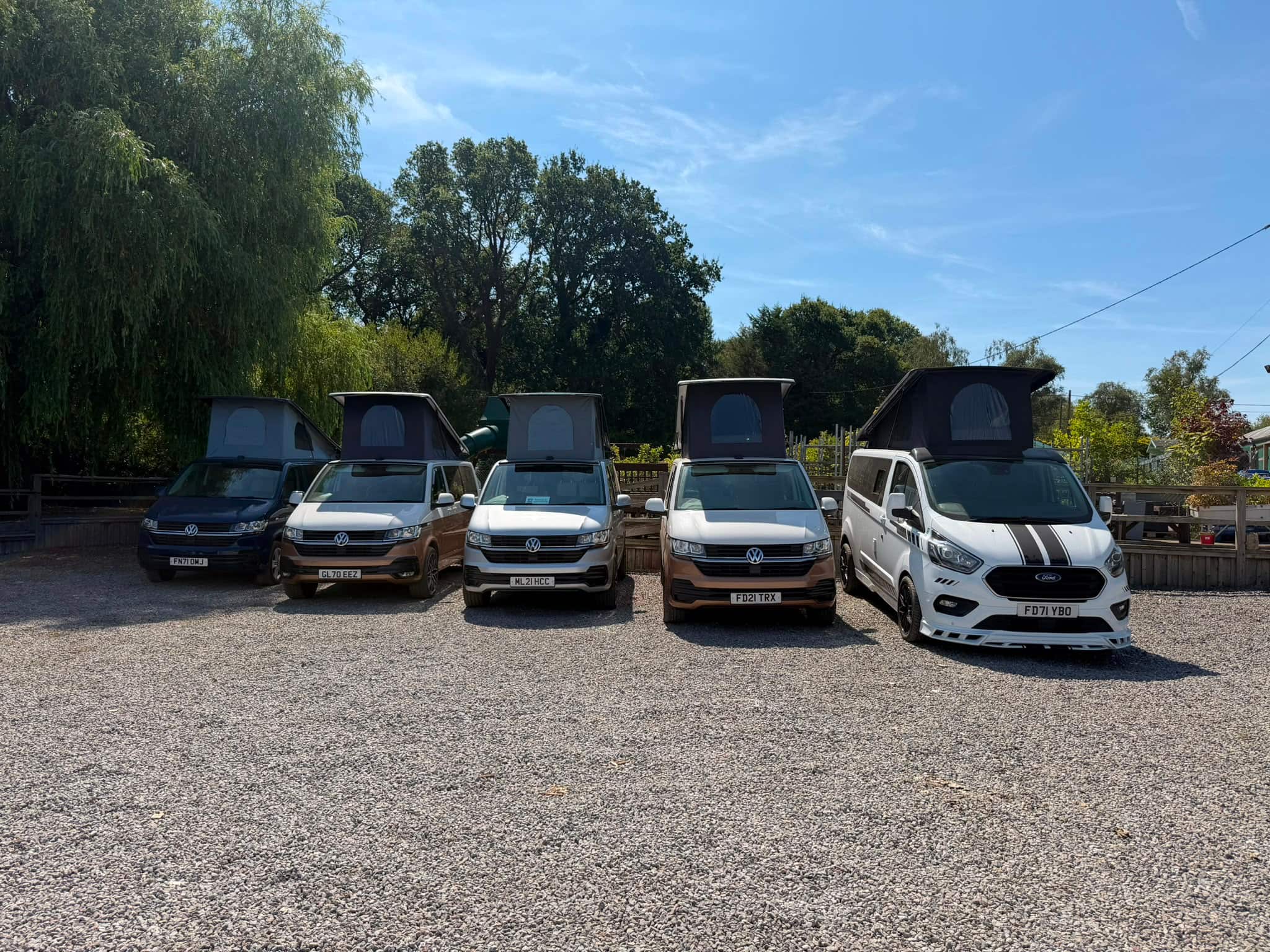
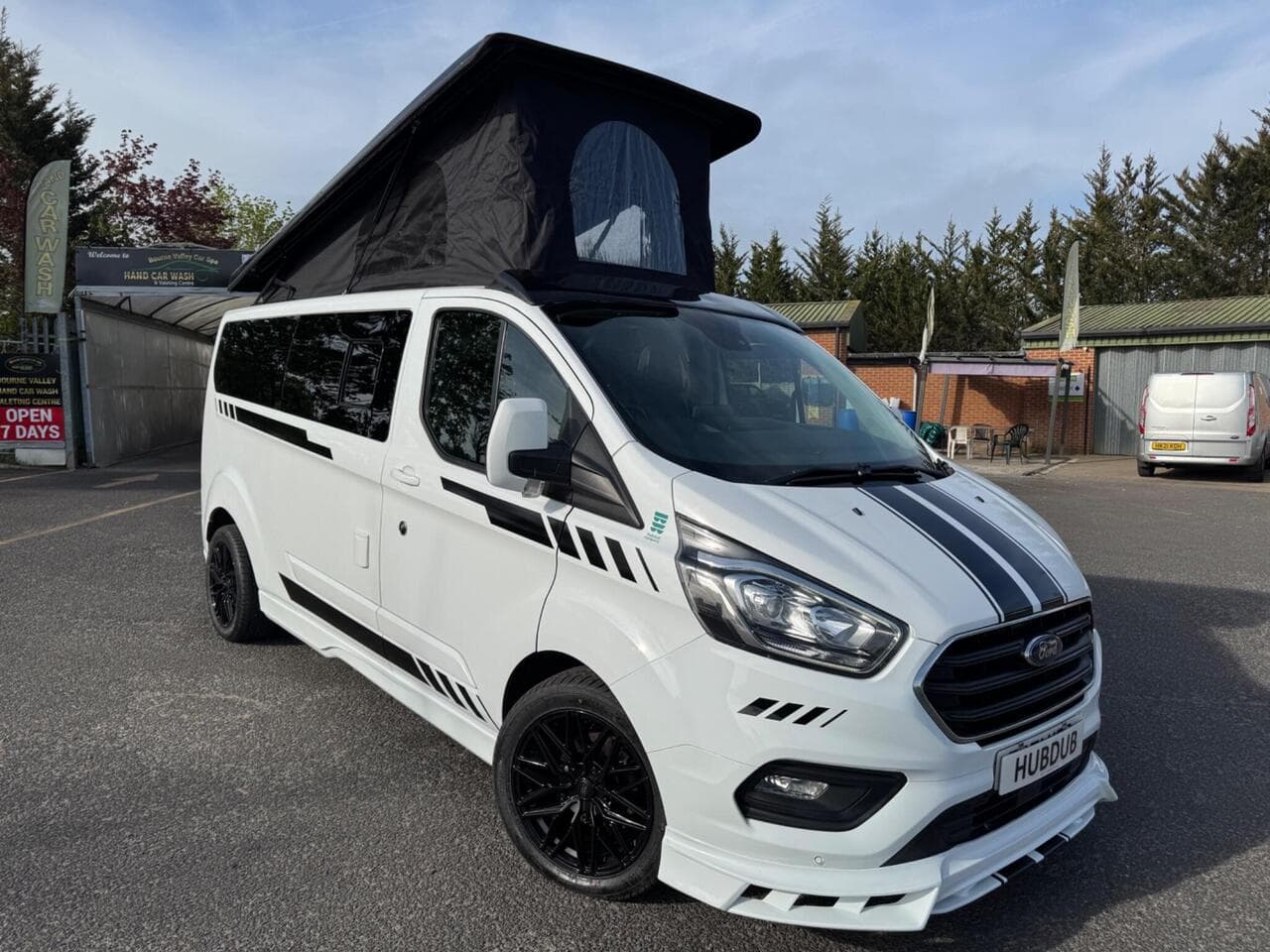
VW Transporter vs Ford Transit Custom for a campervan conversion
The two vans we convert, compared on the things that actually decide it: what they cost to buy, what they are worth afterwards, and how each one takes a conversion.
Co-founder of HubDub Campers. Writes most of what you read here. Spends the rest of his time in the Petersfield workshop.
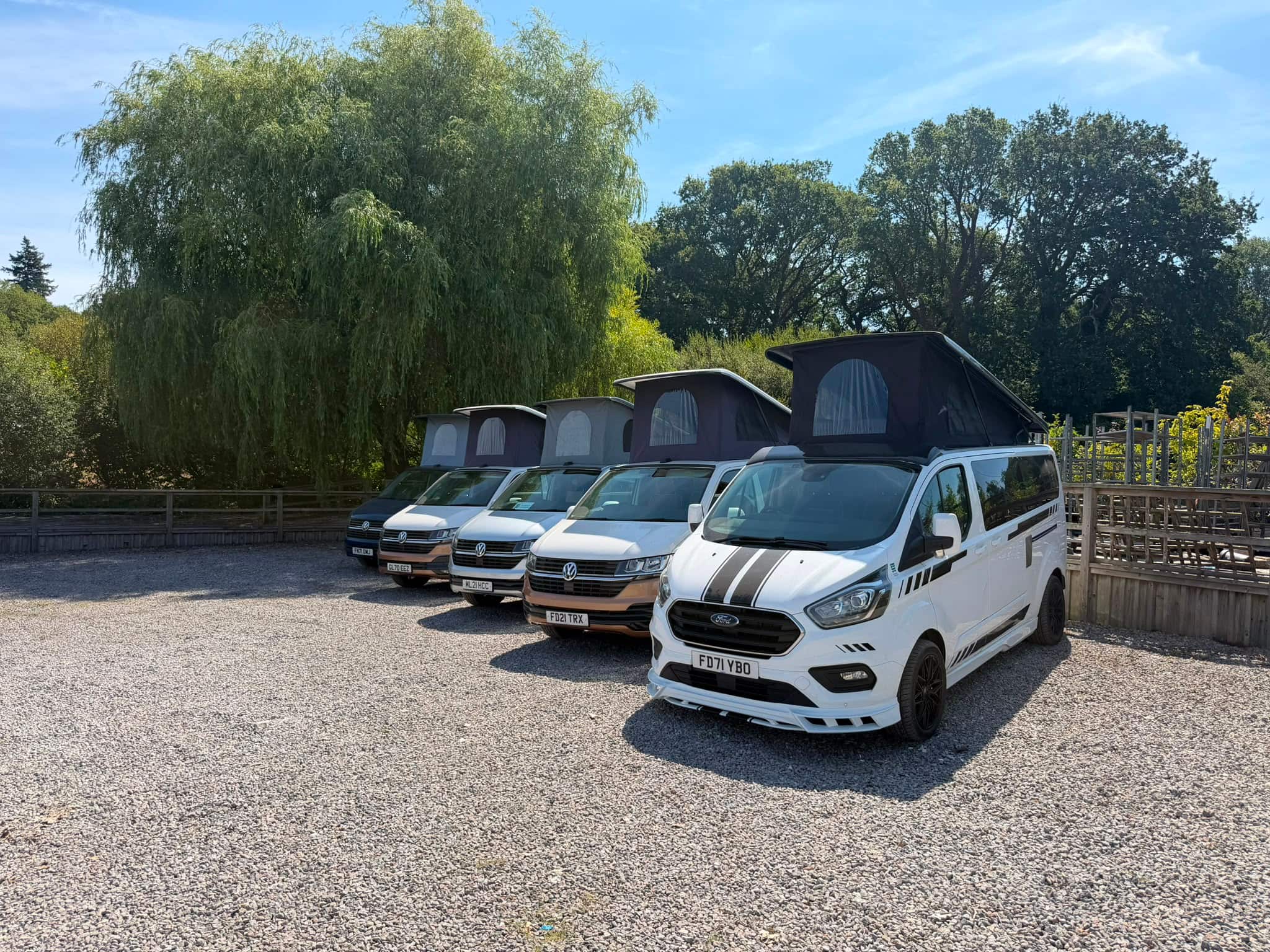
More about HubDubThese are the only two vans we convert, and the choice between them is the first real decision a buyer makes. It is also the one most people arrive with already made, usually on badge loyalty, and occasionally for the wrong reasons.
We have built on both. We have a preference, which we state at the end. Here is the comparison that gets us there.
Why only these two
Before the comparison, the reason there is one. A converter learns a platform the slow way: where the loom runs behind the trim, which panels take a bonded window without flexing, how the roof skin behaves under a saw, where the water will find its way in three winters from now. That knowledge does not transfer between vans.
Two platforms, learned properly, is why we can hold a fixed price from week five. A converter who will cut into anything you drive onto the forecourt is discovering your van's quirks at your expense.
What they cost to buy
The Transit Custom is the cheaper van to buy, consistently, at equivalent age, mileage and trim. That gap is the strongest single argument in its favour, and on a budget it is often decisive: money not spent on the base van is money available for the pop top, the heating and the seat.
The Transporter costs more up front and gives more of it back later. Converted T-series vans hold value better than anything else in this class in Britain, and the gap widens with a good conversion behind it. If you expect to sell in five years, the Transporter's higher entry price is partly a deposit rather than a cost.
The cab and the drive
This matters more than buyers expect, because in a van this size the cab is not separate from the living space. Swivel the front seats and it becomes the lounge.
The Transit Custom generally drives the better of the two — a well-judged ride, light controls, and a cab that feels engineered around long days. The Transporter's cab is plainer in the older T6 and considerably better in the T6.1, which brought the digital instruments and the newer steering. Both are easy vehicles to place on a single-track road, which is the actual test.
Automatics are worth a word. The Transporter's DSG is the more common automatic on the used market and the one most of our buyers end up in. If your travel involves motorway miles or towing, drive one before you rule it out on price.
How each one takes a conversion
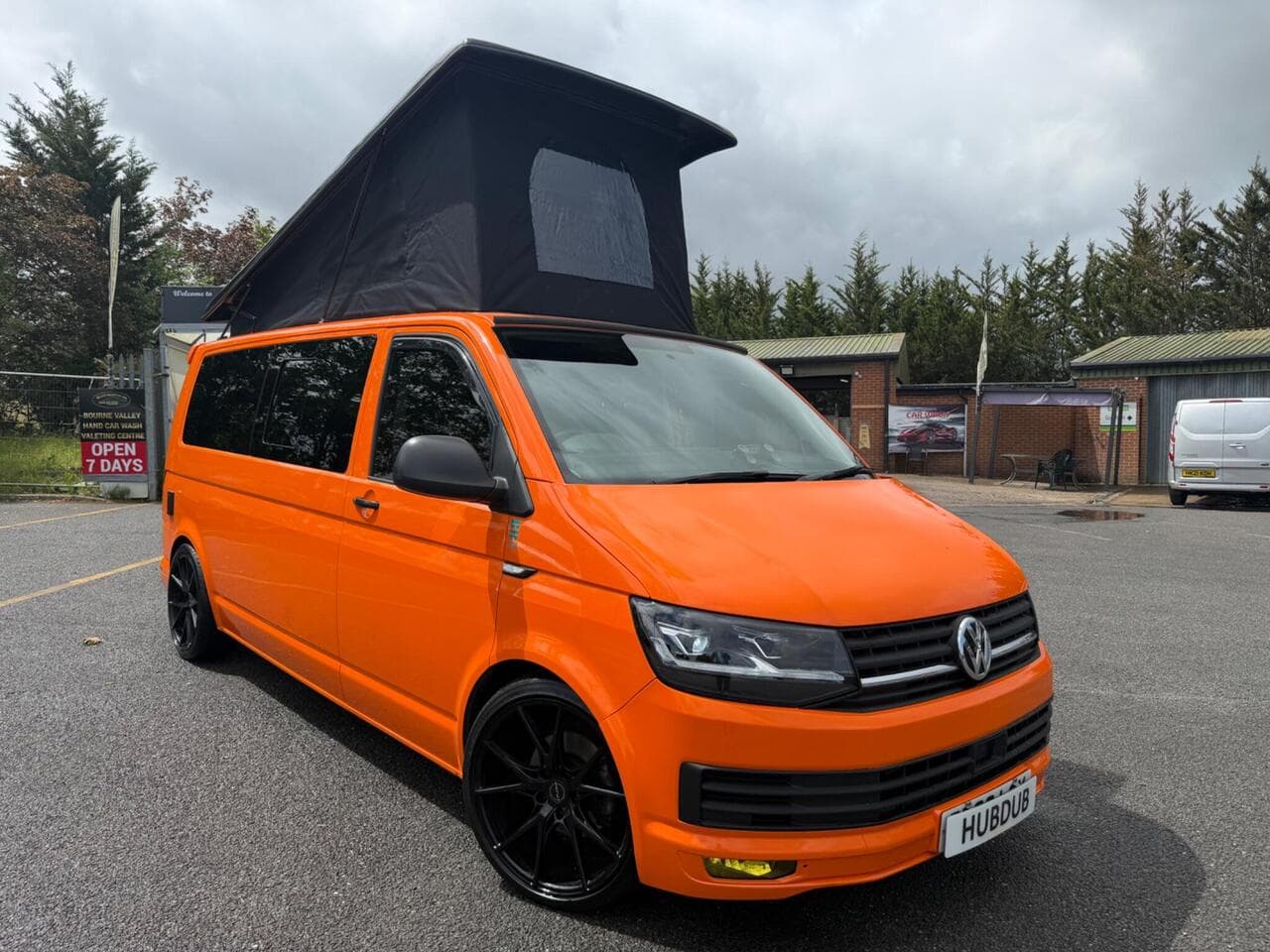
From a workshop's side, both are good vans and neither is difficult. The differences are real but narrower than the badge argument suggests.
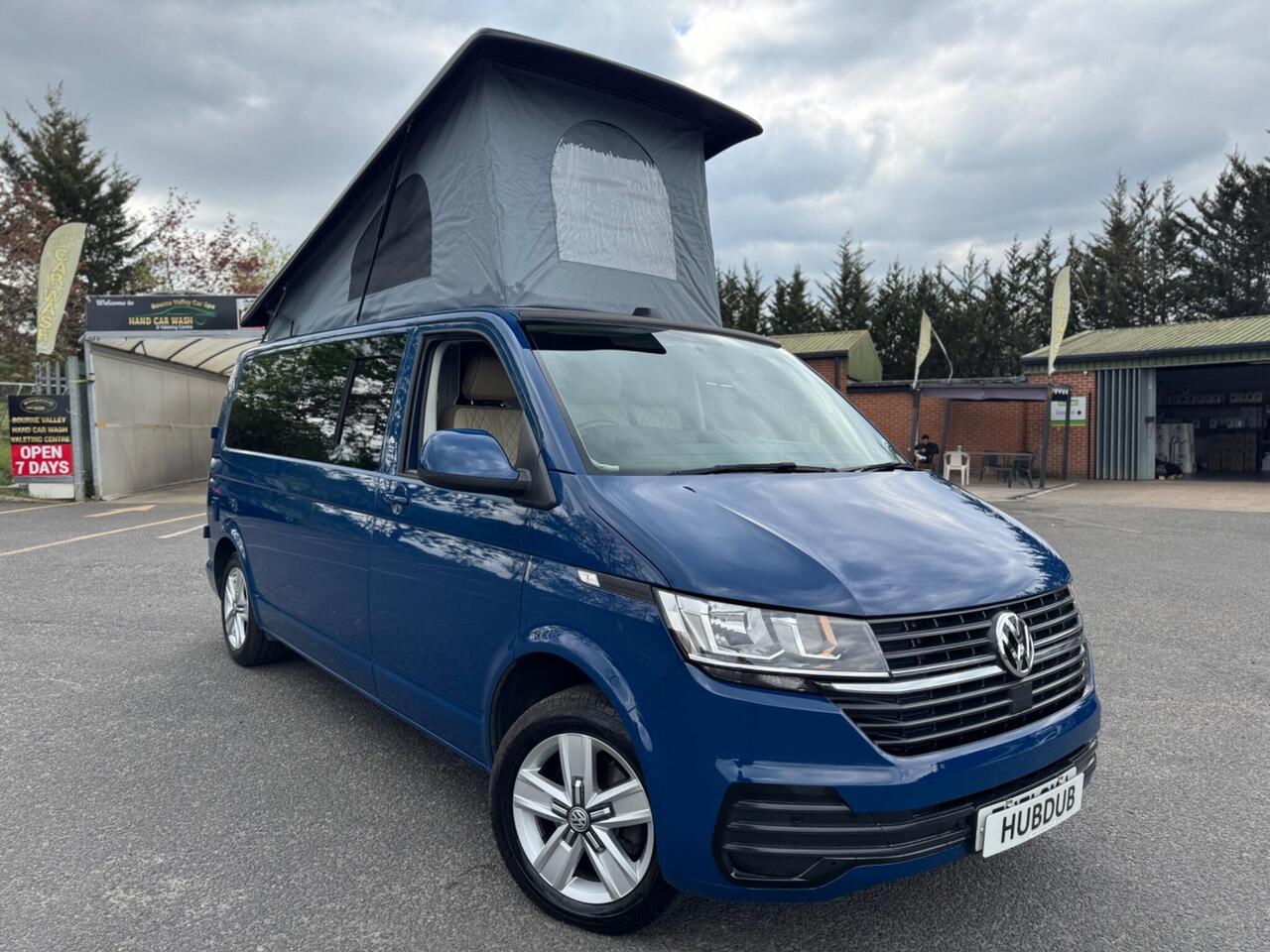
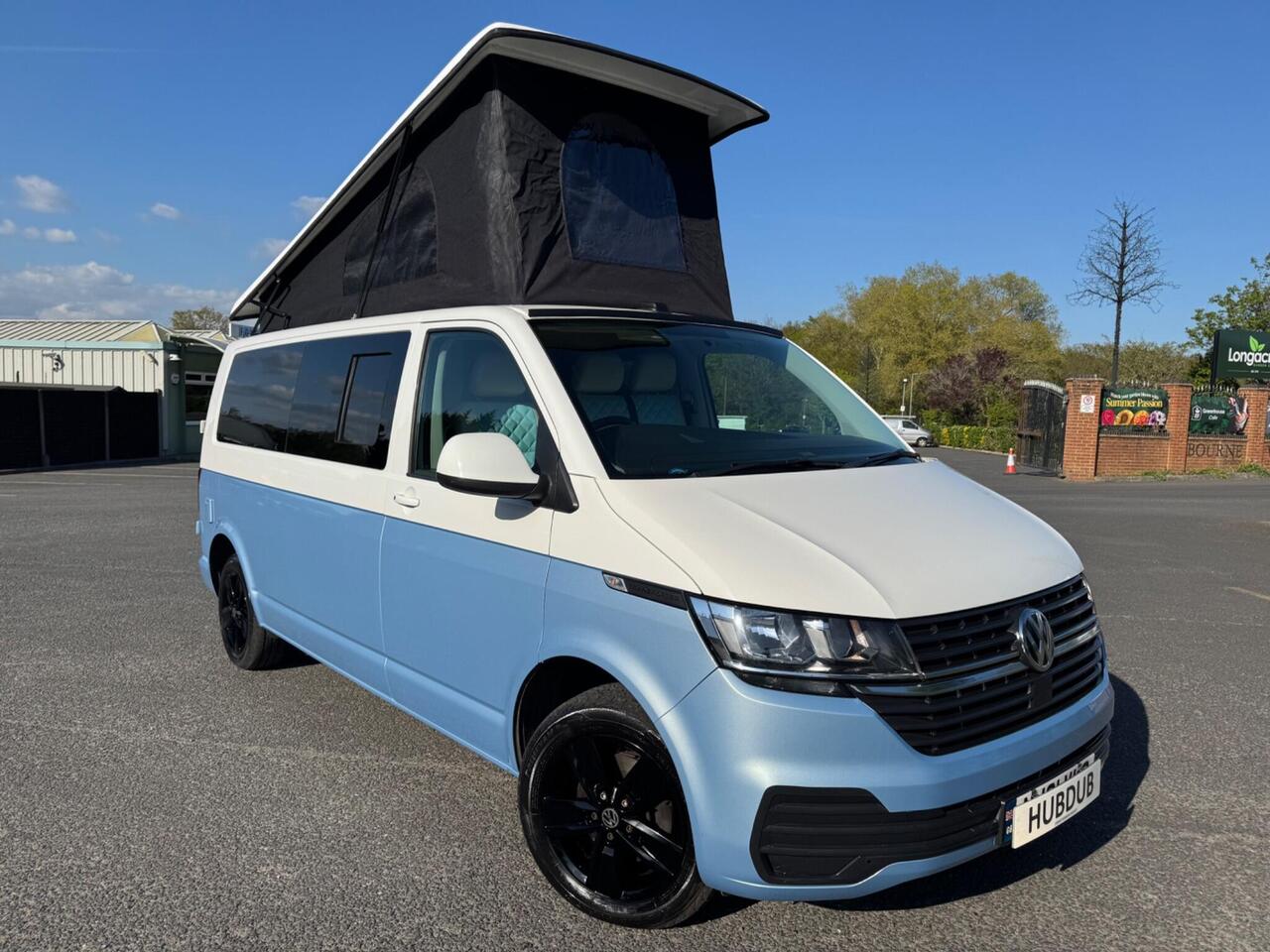
The Transporter's advantage is the aftermarket. Almost every part designed for a campervan conversion in this country is designed around a T-series first and adapted afterwards. Pop tops, swivel bases, rock and roll beds, furniture kits, blinds, tailgate awnings — the T6 gets the first fit and the widest choice. Our standard double swivel base, developed with Swivel King and M1 pull-tested, is a T6 part. That is not a coincidence; it is the shape of the whole industry.
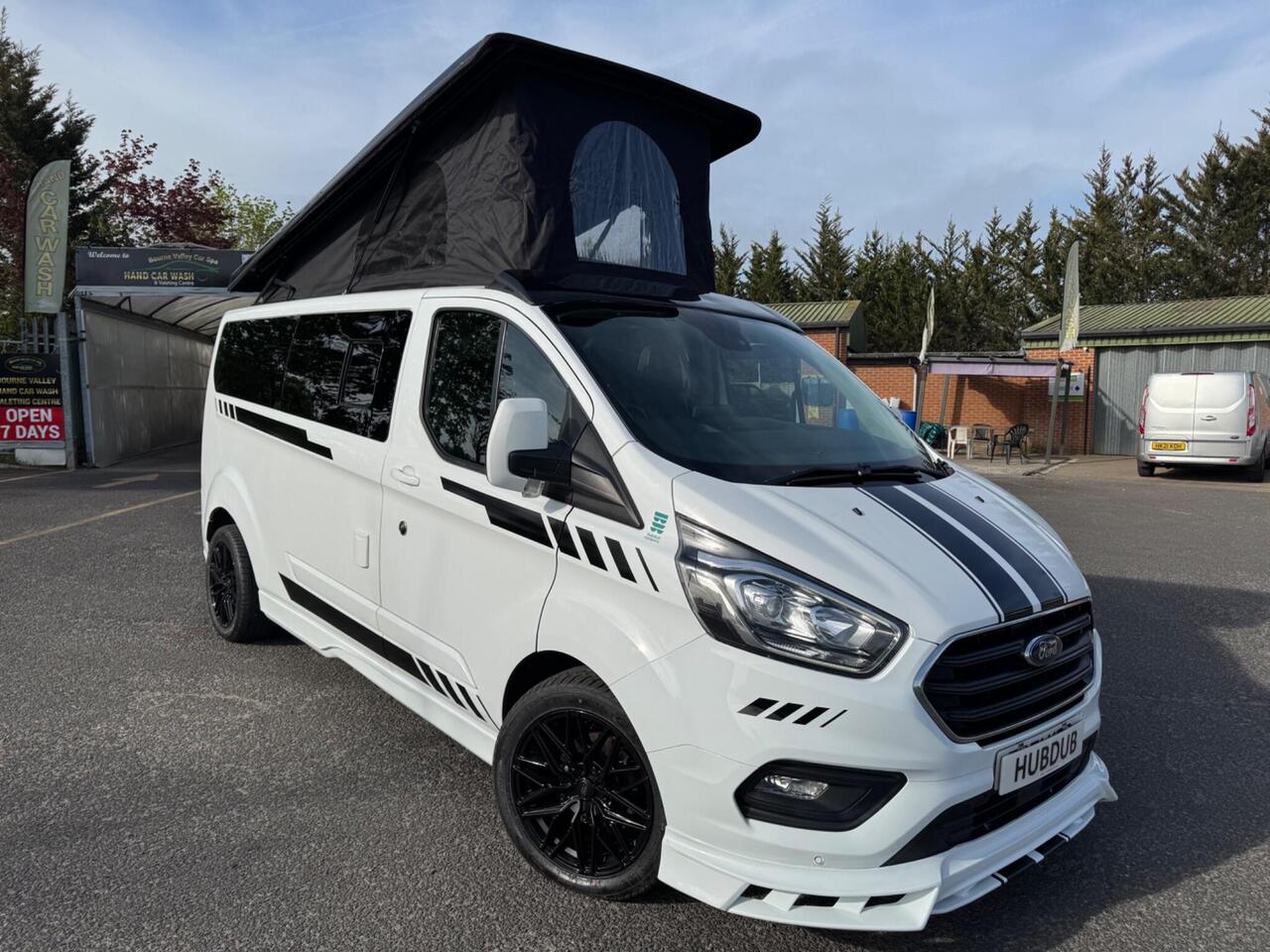
The Transit Custom's advantage is inside. It is the more generous van at the shoulder, and in a vehicle where the bed spans the width, centimetres across matter more than centimetres along. On a build where two adults will sleep across the van rather than along it, that width is a genuine comfort difference rather than a spec-sheet one.
Wheelbase does more than either badge. A long wheelbase adds usable galley run and storage, and it changes the van from something you sleep in to something you can live in for a fortnight. If you are choosing between a short-wheelbase Transporter and a long-wheelbase Transit Custom at the same money, take the length.
Running and servicing
Both are mainstream vans with dense dealer and independent networks across the UK and Europe, which is a large part of why we converted to these two and not something rarer. Parts are ordinary, specialists are everywhere, and neither will strand you in a French town on a Sunday any more than the other will.
The Transit Custom is generally the cheaper of the two to service and repair. The Transporter has the deeper independent specialist network for camper-specific work, which becomes relevant when it is the conversion rather than the engine that needs attention.
What we would choose
Most of what leaves our workshop is a Transporter, and if you are buying once and keeping it, that is what we would choose too. The aftermarket depth means a better-supported van in five years, and the residuals mean the price difference substantially returns to you at the other end.
But we would not talk anyone out of a Transit Custom, and we would actively recommend one in two situations: when the budget is fixed and the saving on the base van pays for the pop top and the heating, and when two adults are sleeping across the van and want the extra width. A well-converted Transit Custom is a better campervan than a compromised Transporter, and the compromise is what happens when the van eats the conversion budget.
Common questions
The Transporter has the deeper camper aftermarket and the stronger resale, which makes it the better long-term choice for most buyers. The Transit Custom is cheaper to buy and service and is wider inside at the shoulder, which matters if two adults sleep across the van. Both convert well, and a well-converted Transit Custom beats a Transporter that ate the conversion budget.
The conversion costs exactly the same on either — we price by wheelbase, not by badge. The whole difference is the base van, where the Transit Custom is consistently cheaper to buy at equivalent age, mileage and trim.
Better than anything else in this class in Britain. A T-series with a documented professional conversion, M1 crash-tested bed and DVLA motorhome reclassification is the strongest resale proposition in the segment, which is why the higher purchase price behaves partly like a deposit.
Wheelbase changes the van more than the badge does. Long adds galley run and storage, and turns a weekend van into a fortnight van, for a modest increment over the short-wheelbase conversion price. If you are choosing between a short-wheelbase Transporter and a long-wheelbase Transit Custom at the same money, take the length.